
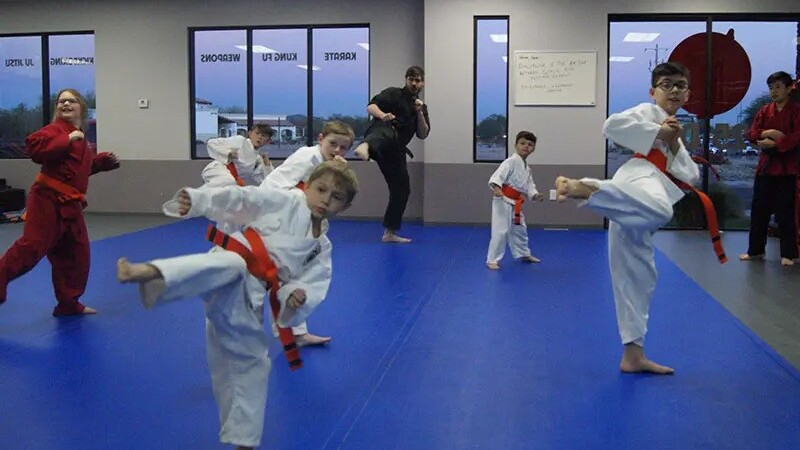
Choosing the right martial arts class for a child can be a challenging yet rewarding decision for parents. With so many different programs available, it’s important to understand how each one will support your child’s growth and development. From boosting physical fitness to enhancing mental resilience, kids martial arts classes offer a wide range of benefits that extend far beyond the dojo. In Peoria, AZ, many parents turn to martial arts as a way to help their children develop confidence, discipline, and self-defense skills.
Understanding the Benefits of Martial Arts for Kids
Martial arts is much more than just a way to get exercise. It’s a holistic activity that engages both the mind and body. Through structured training, children learn important life skills such as:
-
Self-discipline: Martial arts classes require focus, respect for instructors, and adherence to rules, all of which foster self-discipline in children.
-
Confidence: As children progress through their martial arts training, they gain confidence in their abilities and themselves.
-
Physical fitness: Martial arts is a fun and engaging way to improve strength, flexibility, and coordination.
-
Self-defense: Kids also gain valuable skills for personal safety, learning how to protect themselves in difficult situations.
Each of these benefits is important, but selecting the right martial arts class that suits your child’s unique qualities will help maximize their growth and enjoyment.
Considering Your Child’s Age and Developmental Stage
The first factor to consider when choosing a martial arts class for your child is their age. Children of different ages have different physical, emotional, and cognitive development stages, so the class you choose should match their current capabilities.
-
Preschool to Early Elementary (Ages 3–7): At this age, kids are still developing basic motor skills, such as balance and coordination. The focus should be on fun and engaging activities that improve physical agility while introducing them to basic martial arts movements. Classes designed for younger children often incorporate games and activities that make learning enjoyable.
-
Late Elementary to Middle School (Ages 8–12): Kids in this age range are better able to grasp the technical aspects of martial arts. Training begins to become more structured, with an increased focus on discipline, respect, and skill mastery. Classes for this group tend to focus on building strength, agility, and focus, while allowing room for personal expression within the art.
-
Teens (Ages 13+): Teenagers often have the physical maturity to handle more intense martial arts training. Programs for this age group focus on refining techniques, teaching self-defense, and increasing mental toughness. At this age, martial arts classes help teens develop leadership skills, improve mental resilience, and cultivate a sense of responsibility.
Each age group has different needs, so it’s essential to choose a program that aligns with your child’s developmental stage. Whether your child is just starting out or ready for more advanced training, it’s important that the class is designed to meet their abilities and provide a fun, encouraging environment.
Matching the Right Martial Arts Style to Your Child’s Personality
In addition to age, your child’s personality and interests play a major role in selecting the right martial arts program. Different martial arts styles emphasize varying aspects of physical and mental training, so it’s important to find one that suits your child’s temperament.
-
Karate: Known for its focus on discipline and structured technique, karate is an excellent choice for children who thrive in an environment that emphasizes respect, form, and order. Kids who enjoy challenge and routine often excel in karate’s progression-based structure, where students advance through belts by mastering specific skills.
-
Taekwondo: This dynamic martial art emphasizes high-energy kicks, fast-paced movements, and a strong mental focus. Taekwondo may appeal to kids who enjoy more athletic, competitive sports and are looking to develop their speed, flexibility, and agility.
-
Brazilian Jiu-Jitsu (BJJ): BJJ is ideal for children who may be more reserved or prefer a more strategic, intellectual approach to martial arts. With a focus on grappling and submissions, BJJ classes teach patience, control, and problem-solving, helping kids build confidence without relying on strength alone.
-
Kung Fu: Kids who enjoy creativity and self-expression may be drawn to Kung Fu. This martial art combines fluid movements with strong, sharp stances and is often influenced by traditional Chinese philosophy. Children with a strong imagination or interest in martial arts history may find Kung Fu particularly engaging.
Understanding your child’s personality will help you narrow down the right martial art style that will resonate with them. If they prefer a high-energy, competitive environment, Taekwondo may be the right choice. If they’re more strategic and enjoy problem-solving, BJJ might be the perfect fit.
Finding the Right Program for Your Child’s Interests and Needs
Once you’ve identified your child’s age group and preferred martial art style, the next step is to choose a program that fits their interests and needs. Look for a trusted martial arts school that offers well-rounded classes that focus on both physical and mental development. The best programs will not only teach self-defense techniques but also provide opportunities for your child to build life skills such as leadership, goal setting, and teamwork.
For families in Peoria, AZ, Atkinson’s Martial Arts is a trusted martial arts school that offers a variety of kids martial arts classes. Their experienced instructors work with students to ensure they feel supported throughout their journey, helping them develop confidence and discipline along the way.
The Importance of Consistency and Support
As with any new activity, consistency is key when it comes to martial arts training. It’s important to establish a routine that includes regular practice and active participation. Encourage your child to commit to the program and maintain a positive mindset. Consistent attendance will help your child progress and develop their skills over time.
Choosing the right martial arts class is a decision that can have a lasting impact on your child’s growth and development. By considering your child’s age, personality, and interests, you can ensure they have a positive and rewarding martial arts experience.