
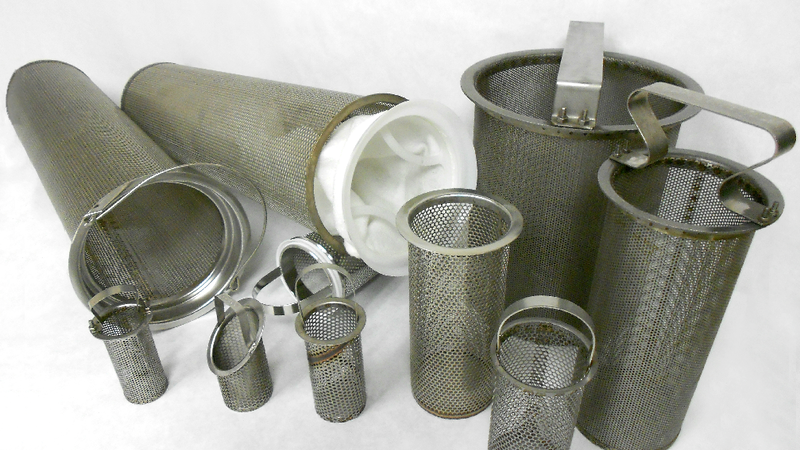
Maintaining optimal air quality is a persistent challenge in industrial environments. With airborne contaminants such as dust, oil mist, and chemical vapors commonly present, both equipment performance and worker health can be significantly affected. To address these concerns, many facility managers search for effective solutions to keep air clean and operations running smoothly. When researching ways to enhance air filtration, a popular online search phrase is SMC Filter, which leads to solutions tailored for industrial needs.
Understanding Air Quality Challenges in Industrial Settings
Industrial spaces are unique in their exposure to various pollutants. These contaminants can originate from manufacturing processes, material handling, and even routine maintenance activities. Poor air quality may result in:
-
Reduced machinery efficiency due to clogging or buildup
-
Increased risk of respiratory issues for employees
-
Frequent maintenance and filter replacements
-
Potential non-compliance with workplace safety standards
Addressing these challenges requires a filtration solution that is not only effective but also reliable and easy to maintain.
How the Right Filter Solution Makes a Difference
Selecting an appropriate filter system is crucial for managing air quality. The right filter can trap even the finest particles and separate moisture or oils from compressed air lines. This not only extends the lifespan of machinery but also ensures a healthier work environment.
Key features to look for in an effective industrial air filter solution include:
-
High filtration efficiency: Capable of removing microscopic particles and aerosols.
-
Durable construction: Built to withstand harsh industrial conditions.
-
Low maintenance requirements: Designed for easy installation and routine servicing.
-
Versatile compatibility: Suitable for integration with various air systems and equipment.
By investing in a high-quality filtration system, facility managers can reduce downtime, improve operational efficiency, and safeguard employee well-being.
Benefits of Advanced Filtration in Industrial Environments
Modern filtration systems offer several notable advantages. These benefits extend beyond simple air cleaning and directly impact the productivity and safety of industrial operations.
Enhanced Equipment Longevity
Efficient filters prevent abrasive particles and moisture from entering sensitive machinery, reducing wear and tear. This translates to fewer breakdowns and lower repair costs over time.
Improved Workplace Safety
Cleaner air reduces the risk of respiratory illnesses and allergic reactions among workers. This not only fosters a healthier workplace but can also contribute to higher morale and lower absenteeism.
Compliance with Regulations
Many industries are subject to strict air quality standards. Using a robust filtration system helps ensure compliance with federal and local guidelines, minimizing the risk of fines or operational shutdowns.
Cost Savings
Although quality filters require an initial investment, the long-term cost benefits are significant. Reduced maintenance, fewer replacement parts, and better energy efficiency all contribute to lower overall operating expenses.
Making the Right Choice for Your Facility
When selecting an air filtration solution for an industrial space, it’s important to assess the specific needs of the environment. Consider factors such as the type and volume of airborne contaminants, the size of the facility, and the compatibility of the filter with existing systems. Consulting with filtration experts and reviewing product specifications can help ensure you choose a solution that meets your operational demands.
In summary, addressing air quality in industrial spaces is essential for maintaining efficient operations and ensuring worker safety. By choosing the right filtration system, facilities can effectively manage airborne contaminants, extend the life of machinery, and create a healthier environment for everyone on-site. Investing in advanced filtration is a proactive step toward a cleaner, more productive industrial workspace.