
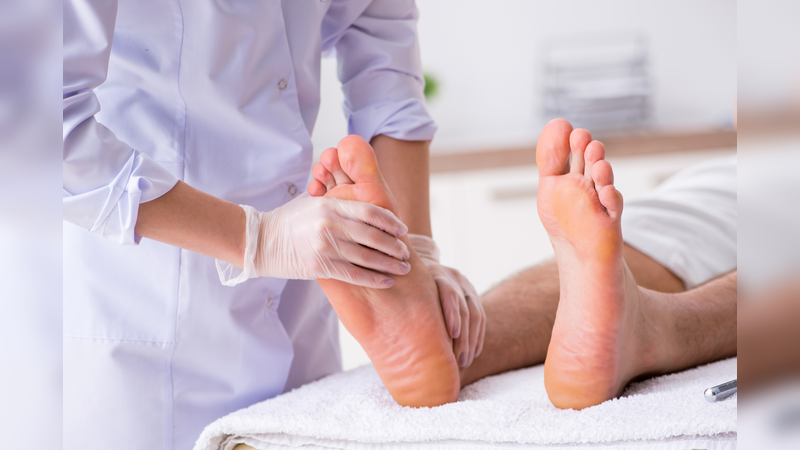
Chronic pain can be confusing because it doesn’t always match the “rest and it will heal” timeline people expect. Many individuals do the right things—take time off, stretch, ice, change shoes, or try basic rehab—yet the pain returns as soon as activity resumes. In San Diego, California, it’s common to see people research shockwave therapy treatment after traditional approaches stall, especially when pain is tied to tendons, ligaments, or stubborn soft tissue irritation. This article explains why chronic pain can plateau, how shockwave therapy is used in conservative care, and how it can fit within chiropractic services in San Diego, CA.
What does it mean when pain “stalls” despite treatment?
A stalled recovery usually means symptoms have become persistent and load-sensitive. Instead of steadily improving week to week, the pain:
- Improves briefly, then flares again with activity
- Stays at the same intensity for months
- Limits walking, training, lifting, or daily tasks
- Feels localized and predictable with certain movements
- Becomes easier to trigger over time
This is common in chronic tendon or connective tissue pain patterns. These tissues often don’t respond well to random rest periods followed by sudden return to full activity. They typically need a structured plan that rebuilds capacity gradually.
Why chronic pain often involves sensitivity, not just “damage”
Soft tissue pain is not always a sign that something is actively tearing or worsening. In many chronic cases, the tissue becomes more sensitive to load. That sensitivity can develop when:
- The area has been repeatedly overloaded
- Movement compensations keep stressing the same tissues
- The tissue hasn’t adapted to progressive strengthening
- Stress and poor sleep reduce recovery and increase pain perception
When sensitivity is high, even normal daily activities can feel threatening to the body. Pain becomes a protective signal. Conservative care often aims to reduce sensitivity and restore functional tolerance rather than forcing a quick return to high-load activity.
What is shockwave therapy treatment?
Shockwave therapy treatment uses targeted acoustic waves (mechanical pressure waves) applied to irritated soft tissue. It is not electrical stimulation and not a massage. The intent is to influence local tissue response and pain sensitivity so movement becomes more tolerable and rehabilitation can progress.
Shockwave is often discussed in relation to chronic soft tissue conditions such as:
- Tendon irritation (elbow, Achilles, patellar, shoulder)
- Ligament or connective tissue irritation patterns
- Heel and foot pain patterns involving fascia
- Persistent “overuse” issues that resist rest-only approaches
It is typically used when symptoms have plateaued and a person needs an additional tool to move forward with a loading plan.
How shockwave therapy may help when traditional therapies stall
While responses vary by person and condition, shockwave therapy is often used for several potential benefits:
Reducing pain sensitivity
Chronic pain frequently involves sensitized nerves in the area. Shockwave may help reduce local sensitivity, making it easier to tolerate normal movement and strengthening exercises.
Supporting circulation and tissue response
Mechanical stimulation is commonly described as supporting local circulation and metabolic activity. This may help tissues that feel “stuck” in a reactive state.
Encouraging tissue remodeling in chronic tendon issues
In certain chronic tendon problems, shockwave is often discussed as supporting remodeling and adaptation—especially when paired with progressive strengthening.
Improving rehab participation
Many people stall because rehab feels too painful to perform consistently. If sensitivity decreases, they can often follow a strengthening plan more reliably, which is essential for long-term progress.
How shockwave fits into chiropractic services in San Diego, CA
Many patients pursuing conservative options want two things: symptom relief and a plan that addresses why the pain keeps returning. Chiropractic services often include movement assessments that identify compensations—patterns that overload the same tissues repeatedly.
Examples include:
- Foot pain altering gait and increasing hip or low-back strain
- Hip weakness increasing stress on knee or Achilles tendons
- Shoulder tendon pain changing posture and increasing neck tension
- Limited mobility in one joint forcing another tissue to compensate
This is why shockwave is often used alongside conservative movement strategies. When the painful tissue is treated but the movement pattern stays the same, symptoms often return.
What does shockwave therapy feel like?
Most people describe it as intense but tolerable—like rapid tapping or pulsing pressure over a sore area. The sensation depends on the tissue depth and sensitivity. Mild soreness afterward is common and can feel similar to post-workout soreness.
Clinical protocols generally adjust intensity based on tolerance and response. The goal is to deliver therapeutic input without overwhelming the tissue.
Contraindications and areas commonly avoided
Shockwave therapy is not appropriate in every situation, and providers typically screen carefully before beginning. In many conservative chiropractic protocols, shockwave is avoided over the uterus, pelvis, and lower back, and it is not applied in areas where it may be unsafe based on a person’s history or clinical presentation. This screening step is important because chronic pain can have multiple contributors, and treatment should match both goals and safety considerations.
What results are realistic, and how long does it take?
Chronic pain patterns usually change gradually. Some people notice early improvement in sensitivity, while others experience steady changes over a series of sessions—especially when shockwave is paired with a structured loading plan.
Progress is often tracked by:
- Better tolerance for walking, stairs, or training drills
- Reduced next-day flare after normal tasks
- Improved strength comfort during rehab exercises
- Fewer “random” spikes in pain with daily activity
Because tendons and connective tissues respond to consistent input, progress tends to be better when the person follows a progressive plan rather than cycling between rest and overload.
Learning more about conservative shockwave care models
For those looking to understand how conservative providers discuss shockwave and chronic pain, educational resources from a best chiropractic partner can offer helpful context. These resources often explain how shockwave therapy treatment fits into movement-focused care models commonly used within chiropractic services in San Diego, California.
Key takeaways
When traditional approaches stall, chronic pain is often tied to sensitivity, repeated overload, and limited tissue capacity rather than a single event. Shockwave therapy treatment is a non-invasive option commonly used to reduce local sensitivity and support progress with strengthening and movement-based rehab. For individuals in San Diego, California researching shockwave as part of chiropractic services in San Diego, CA, a conservative plan that addresses both the painful tissue and the mechanics behind recurring strain is often the most practical path forward.