
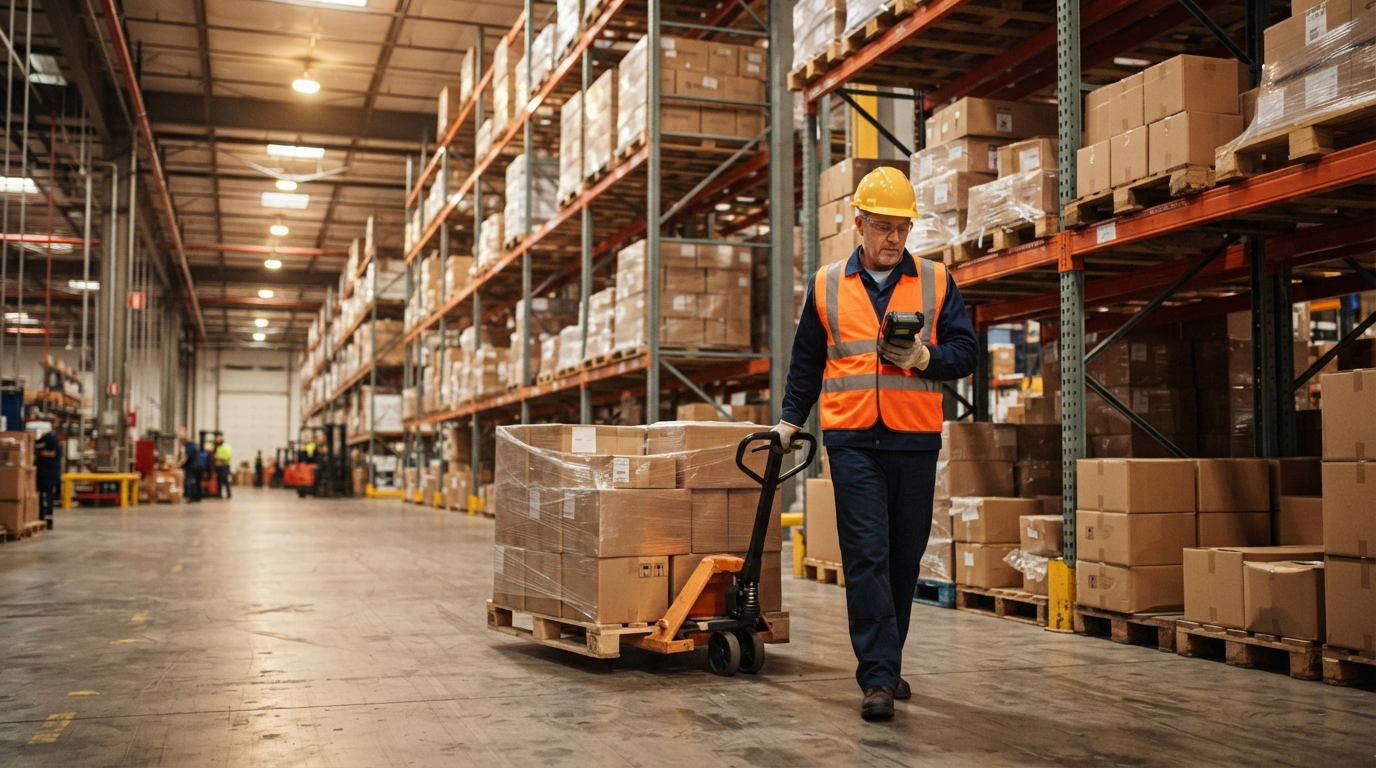
• Commercial storage covers engineered systems such as vertical lifts, mobile shelving, and stacker cranes that help facilities reclaim floor space and organize inventory.
• The right configuration depends on item size, retrieval frequency, and available ceiling height rather than a single standard solution.
• Businesses across Charleston, SC can access these systems through providers based in nearby Florence, SC.
Facilities running out of floor space often face a choice between leasing a larger building or reorganizing how inventory and equipment are stored. Commercial storage systems address this by converting unused vertical space into usable storage capacity without requiring new construction. These setups range from static shelving to fully automated retrieval machines, and the best fit depends on what a business stores, how often items are accessed, and how much floor space can realistically be reclaimed.
Warehouses, distribution centers, and manufacturing plants are the most common users of these systems, though offices with heavy document retention needs also rely on similar equipment. A facility storing bulky, slow-moving inventory has different requirements than one picking small parts dozens of times per hour. Matching the storage method to that workflow is what separates an efficient system from one that creates new bottlenecks.
Common Types of Commercial Storage Systems
Several engineered storage formats are widely used across industrial and commercial settings, each suited to different inventory profiles.
• Vertical lift modules : Enclosed units that raise and lower trays to deliver stored items to an operator, often used for small parts and dense inventory.
• Horizontal and vertical carousels : Rotating storage systems that bring stock to a fixed picking point, reducing walking time.
• Stacker cranes : Automated machines that move along fixed rails to store and retrieve palletized loads in high-bay racking.
• High-density mobile shelving : Shelving mounted on tracks that compresses aisle space by eliminating the need for a fixed aisle next to every row.
• Industrial shelving and mezzanines : Fixed structures for bulk storage, parts organization, or adding a usable second level within existing ceiling height.
Comparing Storage Formats by Business Need
The table below outlines how these formats generally differ in terms of space efficiency, automation level, and typical use case.
|
Storage Type |
Space Efficiency |
Automation Level |
Typical Use Case |
|
Vertical lift modules |
High |
High |
Small parts, dense SKU counts |
|
Stacker cranes |
High |
High |
Palletized loads, high-bay warehouses |
|
High-density mobile shelving |
High |
Manual or powered |
Archives, bulk inventory |
|
Fixed industrial shelving |
Moderate |
None |
General parts storage, retail back-stock |
Facilities handling frequent, high-volume picking tend to benefit more from automated options, while operations with stable, lower-turnover inventory can often meet their needs with fixed shelving or mobile racking at a lower upfront cost.
Safety and Compliance Considerations
Storage system design is not only a space question; it also intersects with workplace safety requirements. Federal standards under 29 CFR 1910.176 address secure storage, aisle clearances, and housekeeping in areas where mechanical handling equipment is used. Facilities evaluating new storage layouts in Charleston, SC should factor these clearance and stability requirements into planning alongside space and throughput goals, since a system that looks efficient on paper can still create hazards if aisle widths or load limits are not addressed during installation.
Business Info
Storage equipment providers that serve industrial and commercial clients typically design systems based on a facility’s layout, inventory type, and retrieval speed requirements rather than offering a single standardized product. Based in Florence, SC, American Specialty works with businesses across Charleston, SC on vertical lift, shelving, and automated retrieval systems suited to varied facility needs.
Frequently Asked Questions
What is the difference between static shelving and automated storage systems? Static shelving requires manual access to every item, while automated systems like vertical lifts or stacker cranes bring inventory to an operator, reducing walking and search time.
How much floor space can vertical storage actually save? Savings vary by facility, but vertical systems generally reduce footprint by converting unused ceiling height into storage capacity instead of expanding the building’s floor area.
Is automated storage only practical for large warehouses? No. Smaller facilities with limited floor space and high SKU counts, such as electronics or parts distributors, often see proportionally larger space gains from compact automated units.
What should a business evaluate before choosing a storage system? Key factors include item size and weight, how often inventory is accessed, available ceiling height, and whether integration with existing inventory software is needed.
Next Steps for Evaluating Storage Needs
Reviewing current inventory volume, retrieval frequency, and available vertical space provides a practical starting point before selecting a storage configuration. Current contact and service details for American Specialty are published for facilities evaluating these options.