
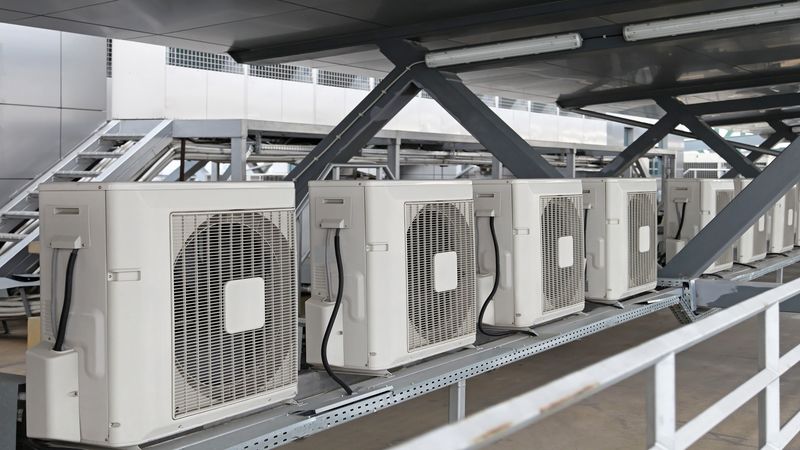
When an air conditioner stops cooling, a few safe checks, such as the thermostat settings, the breaker, the air filter, and the outdoor unit, can sometimes restore cooling or rule out simple causes. If those checks don’t help, or if the problem involves electrical parts, refrigerant, or a burning smell, it’s time to call a professional rather than keep troubleshooting. Heating and cooling contractors such as Marz mechanical handle these situations for Wickenburg homeowners regularly, and knowing what to check first makes any service call faster and more focused.
Below is how to work through those checks safely, which tasks belong to a technician, and how to judge whether a breakdown calls for a same-day visit or can wait for a scheduled appointment.
Why a Dead AC Is More Than an Inconvenience Here
In much of the country, a broken air conditioner means an uncomfortable afternoon. In the desert around Wickenburg, it can become a health risk. Maricopa County’s 2024 heat report confirmed more than 600 heat-related deaths countywide. Among the people who died indoors, most had an air conditioner in the home, and in roughly 70 percent of those cases, the unit wasn’t working.
That figure doesn’t mean every AC failure is an emergency. It does show why a cooling breakdown during the hottest months deserves a faster response than most household repairs, particularly in homes with older adults, young children, or anyone with a health condition that makes heat harder to tolerate. For those households, a summer failure is exactly the situation emergency AC repair exists for.
The flip side is that not every “broken” AC is actually broken. A tripped breaker or a thermostat setting can look just like a failure, and checking those first can sometimes save a service call entirely.
Five Safe Checks to Try First
These checks don’t require tools, opening panels, or touching wiring. If any step feels uncertain, skip it and leave it for a technician.
1. Confirm the Thermostat Settings
Make sure the thermostat is set to cool, not heat, fan, or off, and that the set temperature is below the current room temperature. A thermostat with a blank or dim screen may simply need new batteries. Schedule changes, a family member adjusting settings, or a power outage resetting a smart thermostat can all look like a system failure.
2. Check the Breaker, Once
Central systems typically have breakers for both the indoor and outdoor units, and the outdoor unit often has a separate disconnect nearby. If a breaker has tripped, it’s reasonable to reset it one time. If it trips again, leave it off. A breaker that won’t stay on points to an electrical problem that needs a technician, not another reset.
3. Look at the Air Filter
A clogged filter restricts airflow, which can reduce cooling and contribute to ice forming on the indoor coil. The U.S. Department of Energy recommends cleaning or replacing filters every month or two during the cooling season and notes that swapping a dirty filter for a clean one can lower an air conditioner’s energy use by 5 to 15 percent. If ice is visible on the indoor coil or the copper refrigerant lines, turn cooling off and let it thaw, since running a frozen system can cause further damage.
4. Check Around the Outdoor Unit
The outdoor condenser needs open space to release heat. The Department of Energy recommends keeping the area around it free of debris and trimming foliage back at least two feet. Look for blown-in brush, stored items, or overgrown plants crowding the unit, but don’t remove panels or spray the unit while it’s running.
5. Look for Water or a Tripped Drain Switch
Many systems have a safety switch that shuts the AC off when the condensate drain backs up. Standing water in the drain pan or around the indoor unit can point to this. Note what you see and mention it when calling for service, rather than forcing a hard-to-reach drain line clear yourself.
Checks to Leave for a Technician
Some steps that show up in online troubleshooting videos aren’t safe or sensible for homeowners. Opening electrical panels on either unit, testing or replacing capacitors, handling refrigerant, and bypassing safety switches all belong with a trained technician. Capacitors can hold a charge even after the power is off, and federal EPA rules require technicians who work with refrigerant to be certified.
If the AC runs but blows warm air after the filter and thermostat check out, the cause is usually beyond what a homeowner can see. Low refrigerant, a failed fan motor, or a worn electrical component can all produce the same symptom, which is why a professional AC troubleshooting service starts with measurements rather than guesses. The same goes for a burning smell, loud buzzing from the outdoor unit, or a breaker that keeps tripping: turn the system off and call.
Same-Day or Scheduled? Judging How Fast You Need Help
Once the simple checks are done, the next decision is timing. A few questions make it clearer.
How hot is it, and how hot will the house get? A failure on a mild November afternoon is very different from one at the start of a July heat wave. If indoor temperatures are climbing and nights won’t bring relief, waiting several days may not be realistic.
Who’s in the home? Older adults, infants and young children, and people with heart or respiratory conditions are more vulnerable to indoor heat. Their presence is often the deciding factor in seeking same day AC repair rather than the next open appointment.
Is there a safety concern? Burning smells, sparking, or repeated breaker trips mean shutting the system off right away, whatever the weather.
Is the system partly working? An AC that still cools weakly may buy a little time, while one that won’t run at all leaves no margin in summer.
Availability varies by company, season, and workload, so it’s worth asking any provider directly about same-day openings and after-hours options rather than assuming. If the house is getting dangerously hot while waiting, moving vulnerable family members to a cooler place comes first.
Common Mistakes While Waiting for Repair
A few well-meaning moves can make things worse. Repeatedly turning the system off and on to see whether it will start can strain components that are already failing, and resetting a breaker more than once can mean sending power back into an electrical fault. Setting the thermostat far lower than usual doesn’t make a working AC cool faster, and it won’t help a broken one at all.
It’s also worth resisting the urge to hose down the outdoor unit or pull off access panels for a closer look. Instead, focus on keeping the house as cool as possible: close blinds on sun-facing windows, limit oven and dryer use during the heat of the day, and use fans to keep air moving in occupied rooms only while the indoor temperature stays below 90 degrees. Fans don’t lower the air temperature, so they’re a comfort measure, not a substitute for cooling in extreme heat. The CDC warns that above 90 degrees, a fan can actually raise body temperature. If the house gets that hot, the safer move is to go somewhere air-conditioned, such as a friend’s or relative’s home, a public building, or a cooling center (calling 2-1-1 can help locate one), especially for older adults, young children, or anyone with a health condition.
What a Professional Diagnostic Visit Covers
A professional visit picks up where homeowner checks leave off. Technicians typically confirm power and controls, inspect electrical connections and components in both the indoor and outdoor units, check airflow and the indoor coil, and evaluate refrigerant-side performance with gauges or other instruments. The goal is to identify the specific failed part or condition before recommending a fix.
Sharing the results of your own checks saves time: what the thermostat showed, whether a breaker tripped and when, the filter’s condition, and any water, ice, noises, or smells. That information helps a technician rule out the basics quickly and focus on the likely cause.
For homeowners comparing Local AC repair services, it’s reasonable to ask how a company approaches diagnosis, whether it explains findings before starting work, and how it handles parts that may not be in stock. Broken air conditioner repair often comes down to a single component, but getting the diagnosis right is what keeps the same problem from coming back next summer.
Habits That Make the Next Breakdown Less Likely
Many of the problems homeowners uncover during these checks, such as clogged filters, crowded outdoor units, and backed-up drains, build up slowly. Checking the filter monthly during the cooling season, keeping a clear zone around the condenser, and watching for water near the indoor unit catch the easiest issues early. Scheduling professional maintenance before summer gives a technician a chance to spot worn electrical parts or a weakening capacitor while temperatures are still mild, when repairs are easier to arrange and a failure is far less dangerous.
About Marz Mechanical
Marz Mechanical is a heating and cooling contractor working with homeowners in Wickenburg and surrounding West Valley communities, with a focus on residential air-conditioning repair and maintenance. Their team can be reached at (602) 644-9999, and homeowners can find them on Google for reviews and directions.