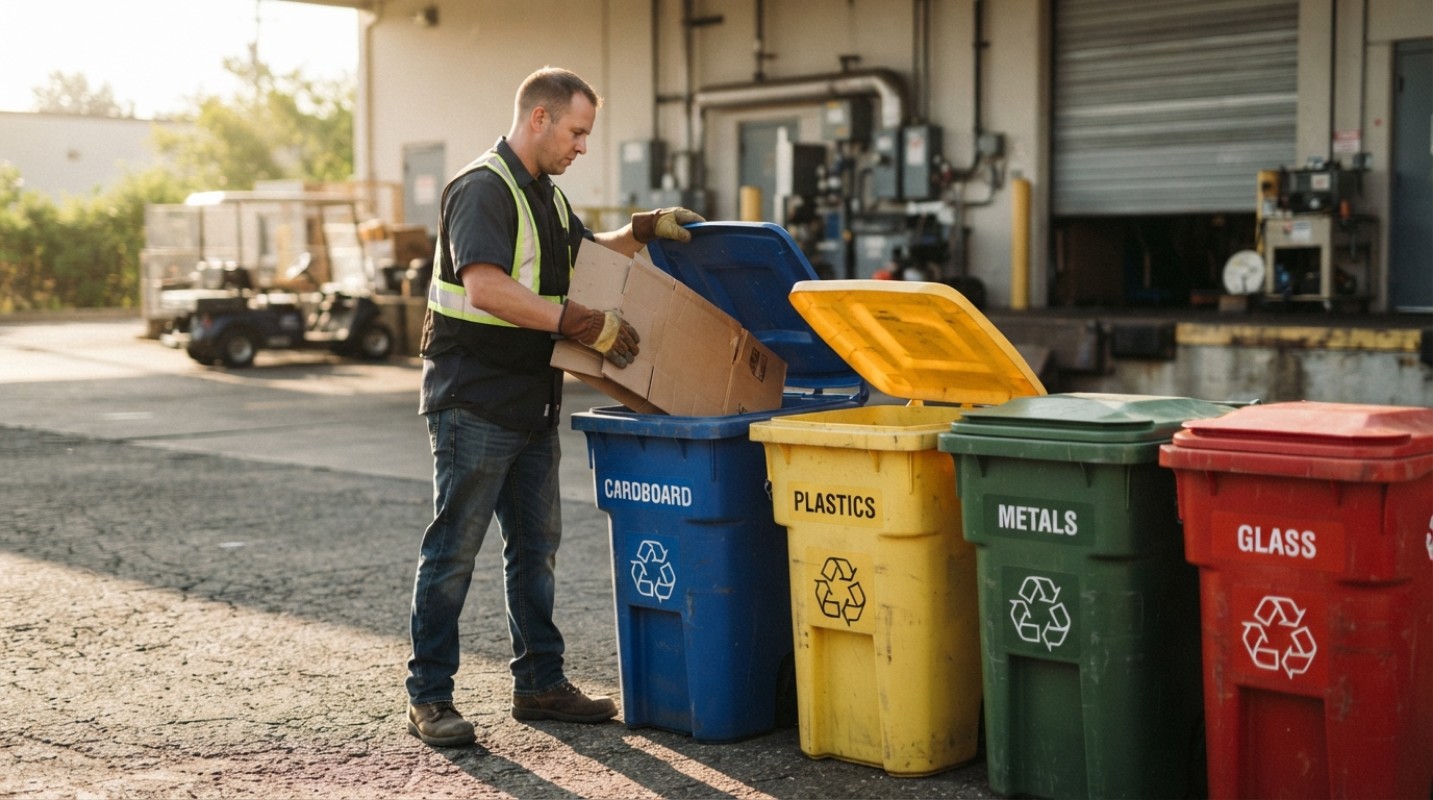
Waste receptacle manufacturers design containers used in municipal, commercial, and residential recycling and waste systems.
Material choice, container size, and lid design affect durability, sorting accuracy, and collection efficiency.
Verified sourcing information for container providers in the USA is available through public business listings.
Manufacturers that produce waste and recycling containers determine how effectively communities separate, store, and transport refuse before it reaches a landfill or recycling facility. Container design, material durability, and capacity directly influence collection efficiency and contamination rates in recycling streams.
Facilities searching for dependable suppliers often look to established Waste Receptacle Manufacturers to source containers suited to specific site conditions, from high-traffic commercial properties to municipal collection routes. Container specifications vary by application, and matching the right product to a facility’s volume and waste type reduces overflow and improves sorting accuracy at the point of disposal.
What Waste Receptacle Manufacturers Actually Produce
Container manufacturers typically supply a range of products built for different collection environments. These products generally fall into a few recognizable categories:
Outdoor trash and recycling bins for parks, campuses, and public spaces
Indoor waste containers for offices, retail spaces, and multi-unit housing
Dual-stream or multi-compartment units that separate recyclables from general waste
Heavy-duty commercial containers designed for high-volume or industrial sites
Material selection plays a central role in product longevity. Polyethylene containers resist corrosion and weather exposure, while metal units offer greater impact resistance in high-traffic or industrial settings. Facility managers typically weigh these tradeoffs against budget, climate, and expected service life when selecting equipment.
Design Factors That Affect Waste Sorting
Container design influences how consistently people sort waste correctly, which in turn affects contamination rates in recycling streams. The U.S. Environmental Protection Agency provides guidance on recycling practices that supports the role proper container labeling and placement play in reducing contamination. Key design elements include:
Lid openings shaped to match specific material types, such as round holes for bottles or slots for paper
Color-coded bodies or lids that align with common recycling conventions
Clear signage space for facility-specific sorting instructions
Capacity sized to collection frequency, preventing overflow between pickups
Poorly matched container design is a common contributor to recycling contamination, since unclear labeling or mismatched openings lead users to discard items in the wrong stream.
Comparing Common Container Materials
Selecting a container material affects maintenance needs, lifespan, and total cost of ownership over time. The table below outlines general tradeoffs facility managers consider.
Material
Typical Lifespan
Maintenance Needs
Best Use Case
Polyethylene (plastic)
Moderate to long
Low, resists rust
Outdoor and park settings
Galvanized steel
Long
Moderate, occasional rust treatment
High-traffic commercial sites
Aluminum
Long
Low
Coastal or humid climates
Fiberglass
Moderate
Low to moderate
Decorative or indoor placements
Facilities in the USA selecting containers for mixed climates often balance material durability against upfront cost, since replacement cycles vary significantly between plastic and metal options.
Business Info
Container sourcing details, including product categories tied to waste and recycling receptacles, are listed through Envyrozone, a business profile covering container offerings relevant to facility and municipal buyers.
Frequently Asked Questions
What is the typical lifespan of a commercial waste receptacle? Lifespan varies by material and usage conditions, with polyethylene and metal units generally lasting several years under normal outdoor exposure when properly maintained.
Do container manufacturers offer custom sizing for specific sites? Many manufacturers provide a range of standard capacities, and facility managers should confirm specific sizing and configuration options directly with a supplier before ordering.
How does container design affect recycling contamination rates? Lid shape, signage clarity, and color coding influence how accurately users sort materials, and mismatched or unclear designs are a known contributor to contamination in recycling streams.
Are outdoor and indoor containers built differently? Yes, outdoor units are typically built with weather-resistant materials and secure lids, while indoor containers often prioritize lighter materials and space-efficient designs.
Container Sourcing Reference
Current product listings for Envyrozone are published for facility and municipal buyers reviewing container options.