
Short answer:
• An electrical panel upgrade replaces an outdated or undersized breaker box with a higher-capacity unit to support modern electrical loads safely.
• Most homes built before the 1990s with 100-amp service benefit from an upgrade to 200 amps when adding HVAC, EV chargers, or major appliances.
• A licensed electrician must pull a permit and inspect wiring before and after the work in most Florida jurisdictions.
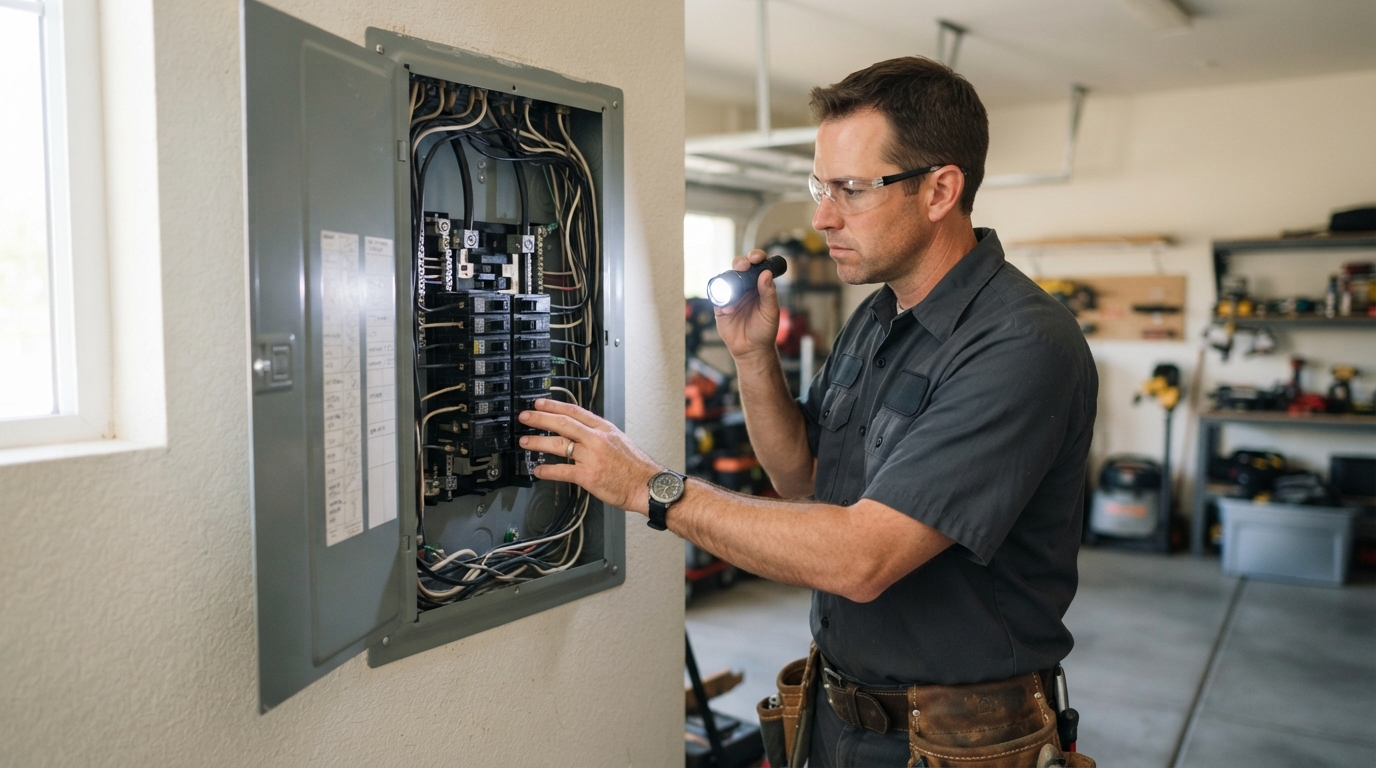
An electrical panel upgrade involves swapping an older breaker box for one with greater amperage capacity and modern safety features, allowing a home’s wiring system to handle current demands without overloading circuits. Homeowners in older houses throughout Tampa, FL often discover their original panel was sized for a smaller home with fewer appliances.
An Electrical Panel Upgrade Tampa FL becomes necessary when a panel trips breakers repeatedly, shows signs of corrosion or scorch marks, or simply lacks open slots for new circuits. Homes with fuse boxes or panels rated below 100 amps are common candidates, especially in neighborhoods with housing stock from several decades ago. Humid, storm-prone conditions typical of Florida can also accelerate wear on exposed panel components over time.
Signs a Panel Upgrade Is Overdue
Certain warning signs point directly to capacity or safety problems rather than a simple breaker reset.
• Breakers trip frequently during normal appliance use, such as running a microwave and air conditioner together.
• The panel uses obsolete fuse technology instead of circuit breakers.
• Visible rust, discoloration, or a burning smell near the panel box.
• No room remains for additional circuits needed for a renovation or new appliance.
• The home’s amperage rating is below 100 amps, which is insufficient for most modern households.
These indicators suggest the existing system cannot reliably support current electrical demand, and continued use raises the risk of overheating or fire.
What the Upgrade Process Involves
A panel upgrade is not a simple swap-and-go task; it follows a defined sequence to meet code requirements. The National Fire Protection Association notes that electrical failures and malfunctions remain a leading cause of home structure fires, underscoring why panel condition matters. Review of home electrical fire data supports why proper panel capacity and installation practices are treated as a safety priority, not just a convenience upgrade.
1. A licensed electrician evaluates the home’s current load and anticipated future needs.
2. The utility company is notified since power must be shut off during the swap.
3. A permit is filed with the local building department, a standard requirement across most Florida municipalities.
4. The old panel is removed and the new one is installed, along with updated grounding and bonding as needed.
5. A local inspector reviews the finished work before it is signed off as code-compliant.
Homeowners should expect the power to be off for several hours during the changeover, so scheduling around that downtime matters.
Panel Capacity Options Compared
|
Panel Size |
Typical Use Case |
Common Limitation |
|
60 amp (older fuse panels) |
Small, older homes with minimal appliances |
Cannot support central AC, EV chargers, or modern kitchens |
|
100 amp |
Mid-century homes with moderate electrical needs |
Limited headroom for additions like EV charging or workshops |
|
150-200 amp |
Most contemporary homes with central HVAC and multiple major appliances |
Generally sufficient unless adding substantial new loads |
|
400 amp |
Larger homes or properties with extensive electrical demand |
Higher upfront equipment and labor requirements |
Choosing the right capacity depends on square footage, appliance count, and plans for future additions such as pool equipment or electric vehicle charging.
How long does a panel upgrade take? Most residential upgrades are completed in a single day, though scheduling the utility disconnect and inspection can extend the overall timeline by a few days.
Does a permit get required for this type of work? Yes. Electrical panel work typically requires a permit and inspection in Florida jurisdictions, since it involves altering the home’s main service equipment.
Can a panel upgrade happen without losing power for long? A temporary outage of several hours is standard while the old panel is disconnected and the new unit is wired and tested.
What amperage is recommended for a typical single-family home? Many homes are upgraded to 200 amps, which accommodates central air conditioning, electric ranges, and future additions without requiring another upgrade soon after.
Finding Local Electrical Support
Based in the USA, we serve customers across Tampa, FL.
Current details about panel capacity assessments and scheduling are available through Learn More About Electrical Panel Upgrades for homeowners planning this type of project.