
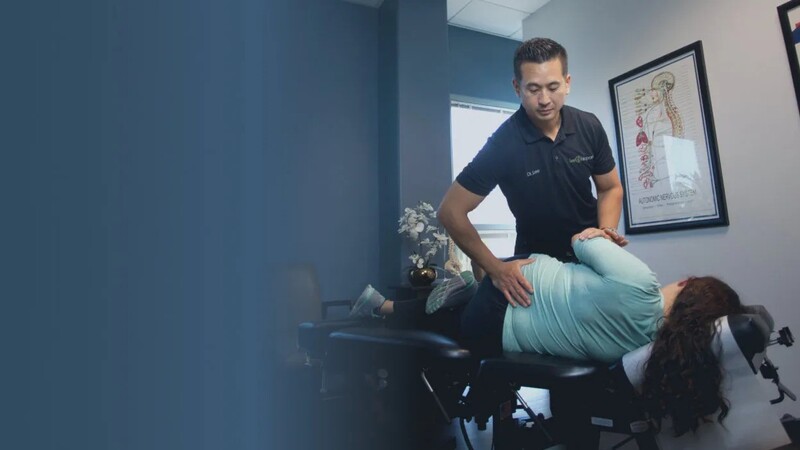
Bulging discs and degenerative discs are both common spine findings, but they describe different problems and don’t always respond the same way to conservative care. In Irvine, CA, spinal decompression therapy is often discussed for disc-related symptoms because it may reduce mechanical pressure and improve movement—especially when nerve irritation is part of the picture.
This guide explains how bulging discs differ from degenerative disc changes, what “responding better” typically means in real life, and when it may be reasonable to consult a spinal decompression chiropractor in Irvine CA for an evaluation.
What is a bulging disc, and how is it different from a herniated disc?
A bulging disc occurs when the outer ring of a spinal disc (the annulus) extends outward beyond its usual boundary. Bulges are often broad-based—meaning the disc expands outward more evenly rather than breaking through in one focal spot.
A herniated disc is different: it typically involves a tear or rupture that allows disc material to protrude more sharply. Both can irritate nearby nerve structures, but they are not identical findings, and symptoms depend on location, severity, and whether nerves are affected.
Key point: many people have a bulging disc on imaging and no symptoms at all. Symptoms matter more than the label.
What is degenerative disc disease?
Degenerative disc disease (DDD) is a term used to describe age- and wear-related disc changes, such as:
-
Disc dehydration and loss of height
-
Reduced shock absorption
-
Increased stress on joints in the spine
-
Occasional inflammation and stiffness
These changes are common over time. “Degenerative” sounds alarming, but it often reflects natural aging—similar to how skin wrinkles or joints become less flexible with years. The question is whether the degeneration is contributing to pain, stiffness, or nerve irritation.
Which symptoms matter most when considering spinal decompression therapy?
Whether a disc issue may respond to decompression depends less on whether it’s labeled “bulging” or “degenerative” and more on the symptom pattern.
Spinal decompression therapy is most often discussed when symptoms suggest mechanical compression or nerve irritation, such as:
-
Pain that travels into the buttock, thigh, or leg
-
Tingling or numbness following a specific nerve pattern
-
Symptoms that worsen with prolonged sitting or bending
-
Localized back pain that flares with loading and improves with unloading
By contrast, symptoms driven primarily by generalized stiffness, poor conditioning, or muscle strain may require a different plan.
How does spinal decompression therapy work?
Spinal decompression therapy is a non-surgical, controlled traction approach designed to gently reduce pressure within the spine. The objective is typically to:
-
Decrease compressive stress on spinal segments
-
Support disc and joint mobility
-
Reduce irritation around nerve structures
-
Improve tolerance to daily movement
This is not “instant disc correction.” The intended benefit is functional: less pain, improved movement, and better ability to sit, stand, and walk comfortably.
In Irvine, CA, a spinal decompression chiropractor may use decompression as one part of a conservative care plan based on clinical findings and symptom response over time.
Do bulging discs “respond better” than degenerative discs?
In general terms, bulging disc cases with clear nerve irritation may show more noticeable improvement when decompression reduces mechanical stress—especially when symptoms are relatively recent and related to a specific aggravating factor (lifting, prolonged sitting, a sudden activity spike).
Degenerative disc cases can also improve, but the expectations may be different. Because DDD often involves long-term structural and mobility changes, “responding better” may mean:
-
Reduced flare frequency
-
Improved walking/standing tolerance
-
Less morning stiffness
-
Better tolerance for daily activity
Degenerative disc pain can be multifactorial (disc, joints, and soft tissue), so decompression may help some patients—but it’s rarely the only factor in a successful plan.
What factors influence outcomes more than the diagnosis label?
Regardless of whether the disc is bulging or degenerative, outcomes are often influenced by:
-
Symptom duration: newer symptoms may change faster than long-standing patterns
-
Nerve involvement: radiating symptoms may respond differently than isolated stiffness
-
Spinal stability: excessive instability may require different care pathways
-
Lifestyle load: long sitting hours, poor sleep, or limited movement variety
-
Consistency: regular care combined with home guidance often works better than sporadic efforts
A clinician’s job is to identify the most likely drivers of symptoms and build a plan that matches those drivers.
When is spinal decompression therapy not appropriate?
Decompression is not for everyone. A clinician may avoid decompression (or modify it) when there are red flags or contraindications, such as:
-
Certain spinal instabilities
-
Recent fractures
-
Severe osteoporosis
-
Progressive neurological deficits
-
Serious underlying medical conditions affecting the spine
If someone experiences sudden weakness, loss of bowel or bladder control, fever with back pain, or progressive numbness, they should seek urgent medical evaluation.
What should people in Irvine, CA ask during an evaluation?
A practical decompression-focused evaluation often includes questions like:
-
What specific movements trigger symptoms (sitting, bending, walking)?
-
Are symptoms local or radiating into the limbs?
-
What progress markers will be used (pain scale, walking distance, sleep quality)?
-
How will the plan change if symptoms don’t improve?
Educational resources from clinics that offer conservative spine care—such as the best chiropractor near Irvine, CA—can help patients understand what decompression is, what it is not, and what realistic outcomes look like.
Takeaway: bulging vs degenerative discs and decompression
Bulging and degenerative discs describe different disc conditions, but symptom behavior and nerve involvement matter more than the label when considering decompression. Bulging disc cases with nerve irritation may show more rapid, noticeable changes, while degenerative disc cases may improve through gradual gains in tolerance, mobility, and flare control.
For people in Irvine, CA exploring spinal decompression therapy Irvine CA or looking for a spinal decompression chiropractor Irvine CA, an evaluation that connects imaging findings to real symptoms is the most reliable next step.