
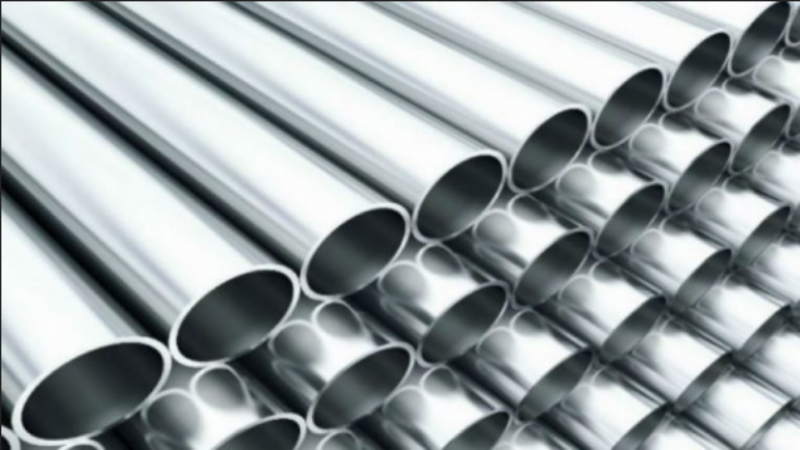
The landscape of American construction has evolved rapidly in recent decades, driven by a demand for stronger, lighter, and more visually appealing materials. Architects and engineers continually seek innovative solutions to improve both the structural integrity and aesthetics of buildings. Among the materials gaining significant attention is the Aluminum Bar , a versatile component that has become integral to modern construction practices across the United States.
Superior Strength-to-Weight Ratio
One of the primary reasons aluminum bars are favored in construction is their remarkable strength-to-weight ratio. Unlike traditional steel beams, aluminum bars provide exceptional durability without adding excessive weight to the structure. This property allows for more flexible architectural designs, longer spans, and reduced foundation loads. As buildings grow taller and more complex, the ability to use lighter materials without sacrificing strength becomes increasingly valuable.
• Lightweight Advantage : Aluminum bars are significantly lighter than steel, making them easier to transport, handle, and install on-site.
• Structural Efficiency : Their high strength ensures that they can bear heavy loads, supporting floors, roofs, and facades in both commercial and residential buildings.
• Seismic Performance : The reduced mass of aluminum-based structures can lead to improved performance during seismic events, as lighter buildings experience lower inertial forces.
Versatile Design Applications
Beyond their structural benefits, aluminum bars unlock new possibilities in architectural design. Their inherent malleability allows them to be extruded, cut, and shaped to precise specifications, accommodating intricate and custom designs. This flexibility supports the realization of modern, open-concept layouts and striking visual elements.
• Custom Fabrication : Aluminum bars can be tailored to fit unique architectural features such as curtain walls, canopies, and decorative facades.
• Contemporary Aesthetics : The sleek, modern appearance of aluminum complements glass and other building materials, enhancing the overall look of a structure.
• Corrosion Resistance : Aluminum naturally forms a protective oxide layer, making it highly resistant to corrosion in various climates, which reduces maintenance costs and extends the life of the building.
Sustainability and Energy Efficiency
Sustainability is a growing concern in the construction industry, and aluminum bars contribute positively in this regard. Aluminum is fully recyclable without loss of quality, making it an environmentally responsible choice. Utilizing recycled aluminum in construction reduces the carbon footprint and supports green building certifications.
• Recyclability : Aluminum used in construction can be recovered and reused, minimizing waste and conserving resources.
• Thermal Performance : When used in window frames and curtain walls, aluminum bars can be designed with thermal breaks to improve insulation and energy efficiency.
• Reduced Maintenance : The longevity and low maintenance requirements of aluminum further enhance its sustainability profile, benefiting building owners and occupants alike.
Enhancing the Future of American Construction
Incorporating aluminum bars into modern American construction offers a blend of strength, versatility, and sustainability that few other materials can match. Their lightweight nature streamlines installation and enables innovative architectural designs, while their durability and recyclability align with contemporary demands for sustainable building practices. As the industry continues to push for taller, smarter, and more efficient structures, aluminum bars are poised to play a pivotal role in shaping the future of construction across the nation.
By leveraging the unique properties of aluminum bars, architects and builders can achieve both the robust performance and striking design that define the best of modern American construction.