
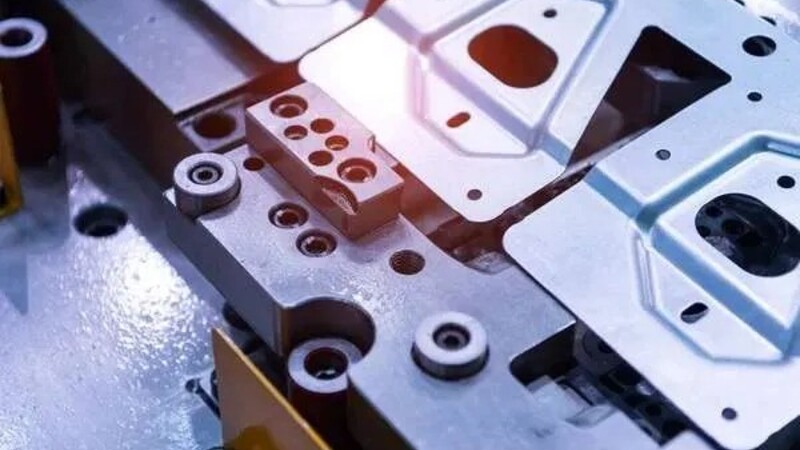
Manufacturers across the United States face increasing pressure to deliver high-quality products faster and more cost-effectively than ever before. Automation, advanced materials, and innovative production processes are shaping the future of American manufacturing. Among these advancements, Precision Metal Stamping has emerged as a critical technology, helping companies streamline operations, reduce costs, and maintain a competitive edge in today’s demanding markets.
Streamlining Production Through Automation
One of the most significant ways precision metal stamping improves manufacturing efficiency is through automation. Traditional metalworking methods often involve multiple steps, manual labor, and time-consuming processes. In contrast, precision metal stamping utilizes automated presses and dies to transform flat metal sheets into complex parts with remarkable speed and consistency.
By automating repetitive tasks, manufacturers can:
-
Achieve higher production volumes in less time
-
Reduce human error and variability
-
Minimize labor costs
-
Ensure consistent part quality across large runs
This automation not only accelerates production but also allows American industries to respond quickly to changing market demands without sacrificing quality.
Reducing Material Waste and Costs
Material efficiency is a top priority for manufacturers aiming to stay profitable and sustainable. Precision metal stamping excels at optimizing material usage by designing dies that maximize the number of parts produced from each sheet of metal. Computer-aided design (CAD) and advanced simulation tools enable engineers to nest parts tightly, reducing scrap and lowering overall material costs.
Additionally, precision stamping enables the use of thinner, stronger materials—such as advanced high-strength steels and lightweight alloys—without compromising the integrity of the finished product. This further reduces raw material expenses and supports sustainability initiatives common in American manufacturing.
Enhancing Product Quality and Consistency
Meeting strict quality standards is non-negotiable in industries like automotive, electronics, and aerospace. Precision metal stamping delivers exceptional accuracy, producing parts with tight tolerances and intricate geometries that would be difficult or impossible to replicate with manual methods. The use of high-precision tooling and automated inspection systems ensures each part meets exact specifications, reducing the need for costly rework or recalls.
Some key benefits include:
-
Consistent part dimensions and finishes
-
Improved fit and function in assemblies
-
Increased reliability and durability of final products
By guaranteeing consistent quality, manufacturers can build trust with customers and strengthen their market reputation.
Supporting Scalable and Flexible Production
American industries often require the ability to scale production up or down based on demand. Precision metal stamping offers the flexibility to manufacture both high-volume runs and smaller custom orders efficiently. Quick-change tooling and modular dies make it possible to switch between different part designs with minimal downtime, keeping operations agile and responsive.
This scalability is particularly valuable for industries that produce a wide range of products or experience seasonal fluctuations in demand.
In today’s fast-paced manufacturing environment, adopting techniques that boost efficiency and reduce costs is crucial for American industries. Precision metal stamping stands out as a transformative technology, enabling manufacturers to automate processes, minimize waste, enhance product quality, and maintain flexibility. As American companies continue to innovate and grow, leveraging the full potential of precision metal stamping will be essential for maintaining a competitive advantage and meeting the evolving needs of the market.