
Knee pain is a common issue that can significantly affect one’s quality of life, making everyday activities like walking or climbing stairs difficult. Whether the pain is due to an injury, arthritis, or degeneration, finding effective treatment is essential. Platelet-Rich Plasma (PRP) therapy has emerged as a promising non-surgical solution to alleviate knee pain and accelerate recovery. This treatment utilizes the body’s own healing mechanisms to repair tissue, reduce inflammation, and promote long-term recovery.
We will explore how PRP therapy works, its benefits for knee pain relief, and why it is gaining traction as a key component of regenerative medicine.
What is PRP Therapy?
Platelet-Rich Plasma (PRP) therapy is a regenerative treatment that uses a concentrated solution of platelets derived from the patient’s own blood. These platelets are rich in growth factors that are essential for tissue healing and regeneration. During the procedure, blood is drawn from the patient, processed to concentrate the platelets, and then injected into the area of injury or degeneration, such as the knee joint.
PRP therapy works by stimulating the body’s natural healing processes. The growth factors and cytokines in the platelets promote tissue repair, reduce inflammation, and enhance the body’s ability to regenerate damaged cells. In the case of knee pain, PRP therapy can help repair damaged cartilage, tendons, and ligaments, offering a non-invasive alternative to surgery.
PRP therapy is widely used in regenerative medicine for its ability to accelerate recovery and provide long-term pain relief, especially for individuals with chronic knee pain or those recovering from sports injuries.
How Does PRP Therapy Help with Knee Pain?
Knee pain can result from a variety of conditions, including arthritis, ligament injuries, and tendonitis. These conditions often lead to inflammation and the breakdown of cartilage, causing pain and reduced mobility. Traditional treatments for knee pain, such as pain medications, physical therapy, or corticosteroid injections, often provide temporary relief but do not address the underlying issue of tissue degeneration.
PRP therapy offers a more targeted approach by promoting healing at the cellular level. When injected into the knee joint, the concentrated platelets in the PRP solution stimulate the repair of damaged tissues and cartilage, reduce inflammation, and enhance joint function. The therapy can also promote the production of collagen, a protein that is vital for maintaining the strength and structure of connective tissues.
For patients suffering from conditions like osteoarthritis, PRP therapy can be especially beneficial. It can slow down the progression of cartilage damage, reduce pain, and improve mobility, all without the need for invasive surgery.
The Benefits of PRP Therapy for Knee Pain Relief
-
Non-Surgical Treatment: One of the main advantages of PRP therapy is that it is a non-surgical treatment option. Unlike knee surgery, which requires incisions, anesthesia, and long recovery periods, PRP therapy is minimally invasive and can be performed in a short office visit.
-
Reduced Inflammation: Inflammation is a major contributor to knee pain, particularly in conditions like arthritis. PRP therapy helps reduce inflammation by stimulating the body’s natural anti-inflammatory response, providing long-term pain relief.
-
Tissue Regeneration: PRP therapy promotes tissue regeneration by stimulating the growth of new, healthy cells in the affected area. This is particularly helpful for patients with cartilage damage or ligament injuries, as it encourages the healing and repair of these tissues.
-
Faster Recovery: Traditional treatments may take time to show results, while PRP therapy can accelerate the healing process. Since PRP utilizes the body’s own natural healing mechanisms, patients often experience faster recovery times and improved outcomes.
-
Long-Term Results: Unlike pain medications that only mask symptoms, PRP therapy addresses the root cause of the pain by stimulating the body’s repair mechanisms. This can lead to more lasting relief and a reduction in the need for long-term pain management.
Who Can Benefit from PRP Therapy for Knee Pain?
PRP therapy can benefit a wide range of patients, particularly those suffering from chronic knee pain due to conditions like:
-
Osteoarthritis: As the cartilage in the knee joint deteriorates over time, it can lead to pain, stiffness, and reduced mobility. PRP therapy can help regenerate cartilage, reduce inflammation, and alleviate symptoms.
-
Sports Injuries: Athletes who suffer from knee ligament injuries, tendonitis, or meniscus tears can benefit from PRP therapy to speed up the recovery process and avoid surgery.
-
Knee Tendonitis: Inflammation of the tendons in the knee can cause chronic pain. PRP therapy can help repair and regenerate the tendon tissue, reducing pain and improving function.
-
Knee Cartilage Damage: For individuals with cartilage damage, PRP therapy can promote the regeneration of healthy tissue and help restore normal knee function.
How PRP Therapy Can Be Part of a Comprehensive Treatment Plan
PRP therapy is often used in combination with other treatments for knee pain. For example, physical therapy can be used alongside PRP to improve strength, flexibility, and mobility in the knee joint. Patients may also be advised to make lifestyle changes, such as weight management and joint protection strategies, to further support recovery.
For individuals in Arnold, MO, seeking knee pain relief, PRP therapy offers a promising non-surgical option that complements other treatment modalities for comprehensive care.
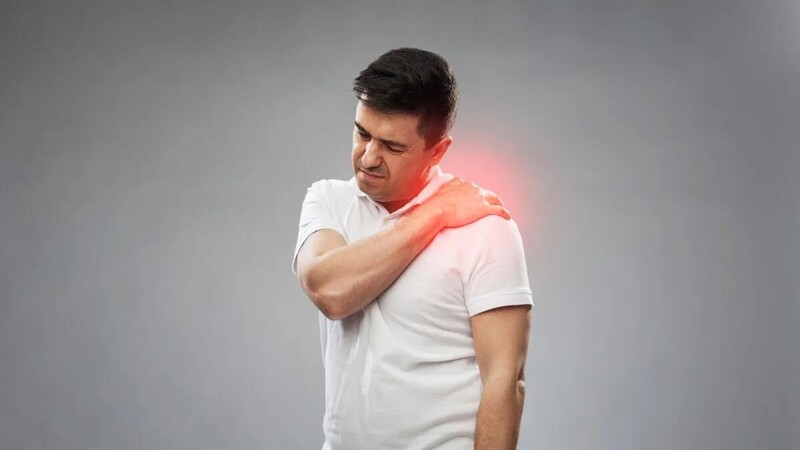
Regenerative Medicine in Treating Shoulder Pain: A Non-Invasive Approach
If you’re struggling with shoulder pain and are looking for a non-invasive treatment, learn more about accelerating recovery with PRP therapy and how regenerative medicine can help you regain mobility and relief. Contact Revival Health and Wellness to schedule a consultation today!