
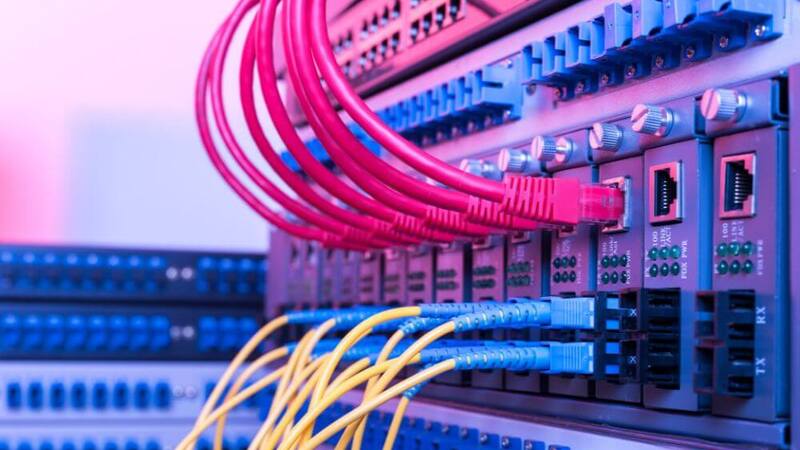
Fiber optic cabling is an integral part of modern communication networks, providing fast and reliable data transmission over long distances. However, like any technology, fiber optic systems require regular maintenance and troubleshooting to ensure they continue to perform at their best. Proper care can extend the lifespan of the system and prevent costly disruptions. In this blog, we’ll explore essential practices for maintaining and troubleshooting fiber optic systems, ensuring they deliver optimal performance and reliability over time.
The Importance of Fiber Optic Maintenance
Fiber optic systems are known for their durability and high performance, but regular maintenance is key to sustaining these benefits. Proper maintenance not only helps avoid unexpected failures but also improves the system’s efficiency and longevity. Whether for a small business in Phoenix or a large data center, fiber optic cabling is essential to maintaining high-speed internet, telecommunication, and network performance.
In general, the maintenance of fiber optic systems involves monitoring the network for performance issues, inspecting and cleaning cables and connectors, and performing routine checks to identify potential problems before they escalate.
Essential Fiber Optic Maintenance Practices
1. Regular Inspections of Fiber Optic Cabling
Routine inspections are the first step in maintaining a fiber optic system. These inspections involve checking cables for physical damage, ensuring they are properly routed, and verifying that connectors and terminations are securely attached. During these inspections, it’s important to:
-
Inspect cables for wear and tear: Look for physical damage such as cracks, cuts, or abrasions, which can compromise the integrity of the fiber.
-
Ensure proper cable management: Cables should be properly organized, free from tight bends, and housed in protective enclosures to prevent damage.
-
Check for dirt or contamination: Dirt, dust, and moisture can impair signal transmission, so cables and connectors should be regularly cleaned.
This routine maintenance ensures that your fiber optic cabling continues to operate efficiently, minimizing the risk of signal degradation and other issues that can impact performance.
2. Cleaning Fiber Optic Connectors
Fiber optic connectors are especially vulnerable to contamination, which can lead to signal loss or system failure. Regular cleaning of connectors is essential to prevent dirt and debris from affecting the quality of the signal. Fiber optic cleaning kits, which typically include specialized tools such as cleaning wipes and brushes, are essential for removing dust, oil, and other contaminants without damaging the connectors.
-
Use dry cleaning methods: Avoid using liquid cleaners unless specified for fiber optics, as they can introduce moisture that could damage the cables.
-
Clean before and after installation: To ensure optimal performance, clean connectors before and after each use or installation.
Maintaining clean connectors is critical to ensuring the high performance of the system.
3. Monitoring and Testing Fiber Optic Systems
One of the most important maintenance activities for fiber optic systems is regularly monitoring the network’s performance. This involves using specialized equipment to check the integrity of the signals being transmitted across the network. Key tests to consider include:
-
Optical Loss Test: This test checks for attenuation (signal loss) in the fiber optic cables and ensures that signal strength is adequate for transmission.
-
Visual Fault Locators: These devices help identify breaks or bends in the cable that may be affecting performance.
-
OTDR (Optical Time Domain Reflectometer): This advanced tool allows technicians to detect faults, measure distances, and determine where problems may exist in the network.
By testing the network at regular intervals, you can catch issues before they lead to more significant problems, ensuring long-term reliability.
4. Preventing Cable Damage
Physical damage to fiber optic cables is one of the most common causes of network disruptions. Over time, cables can suffer from bending, stretching, or crushing, all of which can degrade the performance of the system. Some important preventive measures include:
-
Proper cable routing: Ensure cables are laid out properly, avoiding sharp bends and excessive pulling. Tight bends can cause light to reflect back, leading to signal loss.
-
Avoid exposure to harsh conditions: Fiber optic cables should be protected from extreme temperatures, moisture, and mechanical damage. Outdoor cables should have protective sheaths to shield them from environmental factors.
-
Use cable trays and conduits: These are effective in keeping cables organized and protected, reducing the risk of damage during installation or maintenance.
Preventing cable damage can significantly extend the lifespan of your fiber optic network.
Troubleshooting Fiber Optic Systems
Despite regular maintenance, issues can still arise in fiber optic systems. Troubleshooting these problems requires a systematic approach to identify and resolve the cause of the malfunction. Here are some common issues and their solutions:
1. Loss of Signal or Poor Performance
One of the most common problems with fiber optic systems is a reduction in signal quality. This can be caused by several factors, including:
-
Faulty connections: A loose or dirty connector can cause signal degradation. Ensure that all connections are secure and clean.
-
Cable damage: A break or bend in the cable can lead to signal loss. Check for visible damage and replace the damaged section of the cable.
-
Excessive attenuation: Over long distances, the signal can weaken. Using the appropriate fiber optic cable type for the distance can mitigate this issue.
2. Optical Loss or Light Reflection
If you experience optical loss or reflection, it could be due to poor-quality fiber or improper splicing. Ensuring that fiber optic systems are installed by a credible fiber optic cabling company and using high-quality components can reduce these issues.
3. Temperature Sensitivity
Fiber optic systems can be sensitive to temperature changes, leading to performance issues. This is particularly important in environments with fluctuating temperatures. Ensuring that cables are installed in temperature-controlled environments or using cables rated for outdoor use can help mitigate temperature-related problems.
Conclusion
Proper fiber optic maintenance and troubleshooting are essential to ensuring long-term reliability and performance. By implementing regular inspections, cleaning connectors, monitoring system health, and preventing physical damage, businesses can avoid disruptions and extend the lifespan of their fiber optic networks. Troubleshooting issues promptly ensures that performance is optimized, and potential problems are dealt with before they become major setbacks.
For businesses in Phoenix, AZ, looking for expert fiber optic maintenance and installation, SharpLink Communications & Technology is a credible fiber optic cabling company ready to help ensure your network operates at peak performance.
By investing in maintenance and adopting proactive troubleshooting practices, businesses can ensure their fiber optic systems are always ready to support their communication and data needs efficiently.