
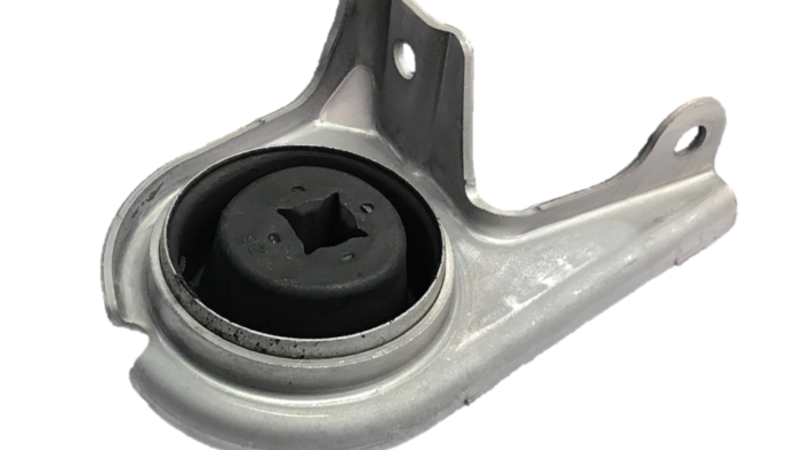
In today’s competitive manufacturing landscape, extending the lifespan of critical components is essential for maintaining efficiency and reducing long-term costs. Many US manufacturers are constantly searching for advanced surface treatments that offer superior protection against corrosion and wear. One of the most effective solutions gaining traction is Zinc Nickel Plating On Aluminum, a process that significantly enhances the durability of aluminum components used in demanding environments.
The Science Behind Zinc Nickel Plating
Zinc nickel plating is an electroplating process that deposits a thin, uniform alloy layer of zinc and nickel onto the surface of aluminum parts. This specialized coating combines the corrosion resistance of nickel with the sacrificial properties of zinc, offering a robust barrier against harsh conditions. Aluminum, while lightweight and strong, is susceptible to corrosion when exposed to moisture, chemicals, and salt. By applying a zinc nickel alloy, manufacturers can dramatically improve the metal’s resistance to these damaging elements.
Benefits of Zinc Nickel Plating for Aluminum Components
For US manufacturers, the advantages of using zinc nickel plating on aluminum are numerous and impactful:
• Superior Corrosion Resistance: Zinc nickel coatings provide up to ten times greater corrosion protection compared to standard zinc plating, making them ideal for automotive, aerospace, and industrial applications.
• Uniform Coating: The electroplating process ensures even coverage, including complex geometries, which is crucial for components with intricate designs.
• Enhanced Wear Resistance: The added nickel content increases the hardness of the surface, reducing the risk of abrasion and extending the part’s operational life.
• Thermal Stability: Zinc nickel plated aluminum can withstand higher temperatures without degrading, an essential feature for components exposed to fluctuating thermal conditions.
• Environmental Compliance: This plating process often meets stringent environmental standards, helping manufacturers comply with regulatory requirements while ensuring long-term performance.
Applications Across Industries
Zinc nickel plating on aluminum is widely adopted in various sectors, each benefiting from its unique properties:
1. Automotive: Critical under-the-hood components, fasteners, and connectors are protected from road salts and chemicals.
2. Aerospace: Structural parts and fittings benefit from lightweight strength and resistance to atmospheric corrosion.
3. Electronics: Connectors and housings maintain conductivity and integrity in challenging environments.
4. Industrial Machinery: Gears, brackets, and housings remain reliable even under heavy usage and exposure to harsh chemicals.
Implementation Considerations
To maximize the advantages of zinc nickel plating, manufacturers should consider the following:
• Surface Preparation: Proper cleaning and pre-treatment of aluminum surfaces are essential for optimal adhesion and performance.
• Quality Control: Regular testing for coating thickness, uniformity, and corrosion resistance ensures consistent results.
• Customization: The plating process can be tailored to meet specific industry standards and performance requirements.
Extending Lifespan and Reducing Costs
By investing in advanced surface treatments like zinc nickel plating, US manufacturers can achieve longer component lifespans, reduce maintenance intervals, and minimize the risk of unexpected failures. This proactive approach not only enhances product reliability but also delivers significant cost savings over time.
In summary, zinc nickel plating provides a technologically advanced solution for protecting aluminum components against the rigors of industrial use. Its superior corrosion and wear resistance, combined with adaptability across industries, make it a smart choice for manufacturers aiming to boost the durability and value of their products in demanding American markets.