
Key point:
-
Brake wear, engine warning lights, and battery or electrical faults are among the most frequent reasons drivers in Richland, WA seek professional service.
-
Routine inspections tied to mileage intervals catch most issues before they become costly breakdowns.
-
Diagnostic scans and documented repair history help identify recurring problems accurately.
Most common vehicle problems fall into a handful of categories: worn brakes, engine performance issues, battery or electrical faults, and fluid or filter neglect. Addressing these effectively starts with recognizing early warning signs and scheduling timely inspections rather than waiting for a breakdown.
Vehicles accumulate wear differently depending on driving habits, climate, and terrain, which is why Auto Repairs needs vary from one driver to the next. Someone commuting daily through Richland, WA on routes with frequent stops will likely face brake wear sooner than a driver who mostly travels highway miles. Recognizing these patterns helps vehicle owners anticipate maintenance needs instead of reacting only after a warning light appears.
Brake System Wear and Timely Service
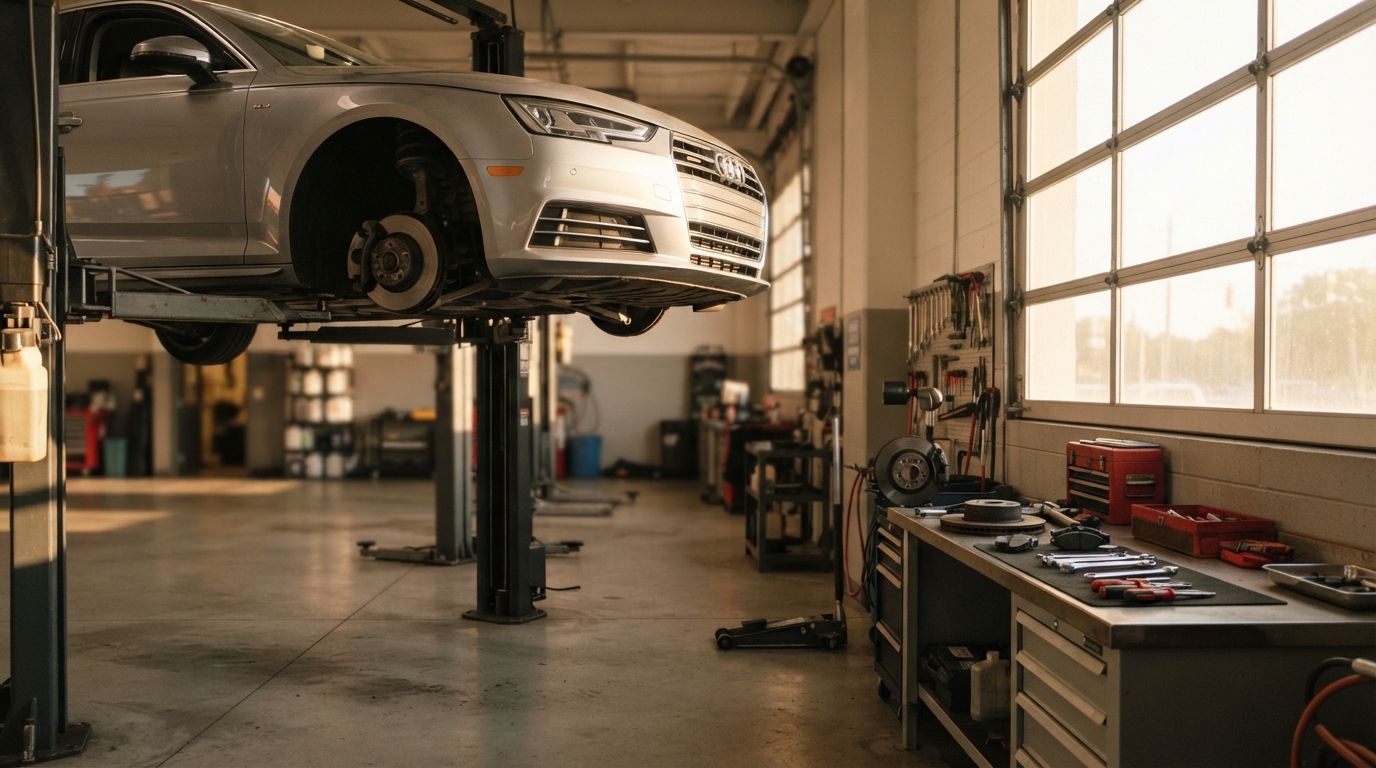
Brake components degrade gradually, and squealing, grinding, or a soft pedal are typical signs that service is due. According to brake maintenance guidance referencing NHTSA inspection standards, a routine brake inspection at every oil change helps catch wear before it turns into a larger repair. Ignoring these signs can lead to rotor damage, extended stopping distances, and higher repair costs later.
Practical steps for brake maintenance include:
-
Scheduling a visual pad and rotor check at every oil change interval
-
Addressing unusual noise or vibration promptly rather than waiting for scheduled service
-
Having brake fluid condition checked periodically, since contaminated fluid reduces stopping performance
-
Requesting a hydraulic and mechanical inspection if the pedal feels spongy or inconsistent
Engine Diagnostics and Warning Lights
A check engine light can indicate anything from a loose gas cap to a failing sensor, which is why diagnostic scanning is the first step before any repair work begins. Technicians use scan tools to read stored fault codes, narrowing down the actual cause rather than guessing at parts replacement. This approach prevents unnecessary expense and addresses the root issue directly.
Common triggers for warning lights include:
- Oxygen sensor or emissions-related faults
- Ignition system issues such as worn spark plugs or coils
- Fuel system irregularities affecting mileage or idle quality
- Transmission or drivetrain sensor faults
Battery, Electrical, and Fluid Maintenance
Electrical faults often show up as slow starts, dimming lights, or accessories that behave inconsistently. Batteries typically weaken with age and temperature extremes, so testing voltage and charging system output during routine visits helps avoid an unexpected no-start situation. Fluid and filter maintenance, including oil, coolant, and transmission fluid, also plays a direct role in preventing premature component wear.
|
Repair Category |
Common Symptoms |
Typical Service Interval |
|
Brake system |
Squealing, grinding, soft pedal |
Every oil change or 10,000-12,000 miles |
|
Engine diagnostics |
Warning lights, rough idle |
As symptoms appear |
|
Battery/electrical |
Slow start, dim lights |
Tested at routine service visits |
|
Fluids and filters |
Reduced performance, odor |
Per manufacturer mileage schedule |
Drivers in Richland, WA dealing with hot summers and cold winters often see accelerated wear on batteries and cooling systems, making seasonal checks a practical addition to standard maintenance.
Frequently Asked Questions
How often should brakes be inspected? Industry guidance generally recommends a visual brake inspection at every oil change, roughly every 6,000 to 10,000 miles, or at least once a year for lower-mileage drivers.
What does a check engine light usually mean? It can indicate issues ranging from a minor sensor fault to a more significant emissions or ignition problem, which is why a diagnostic scan is necessary before repairs begin.
Can fluid neglect cause expensive repairs? Yes. Old or contaminated fluids reduce lubrication and cooling efficiency, which can accelerate wear on the engine, transmission, or brake system over time.
Is a battery test worth doing during routine maintenance? Testing battery voltage and charging output during a scheduled visit helps identify a weakening battery before it fails unexpectedly, particularly during temperature extremes.
Service Area and Additional Information
Based in Kennewick, WA, Motoring Services Auto Repair serves vehicle owners throughout Richland, WA with general repair and maintenance work.
Additional published information about service offerings and scheduling is available through Learn More About Auto Repair Services, which outlines current maintenance and repair options for the area.