
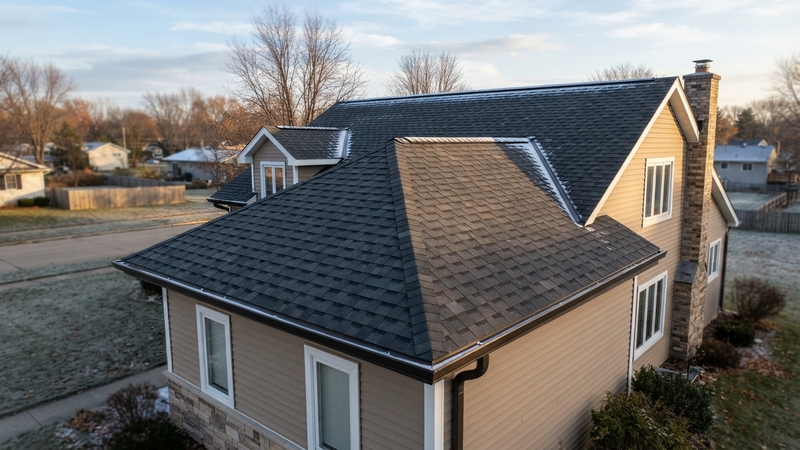
Short answer:
• A professional roofing company protects a home long-term through accurate inspections, correct material selection, and installation practices suited to local weather patterns.
• In Green Bay, WI, that means addressing snow load, ice dams, and seasonal temperature swings that stress shingles, flashing, and gutters.
• Regular maintenance and prompt storm repairs reduce the risk of hidden water damage and structural wear over time.
Roof performance depends less on the materials themselves and more on how they are inspected, installed, and maintained over the years. A roofing company that understands regional weather patterns can identify weak points before they become expensive problems, particularly in climates with heavy snow and freeze-thaw cycles. Homeowners researching long-term roof protection typically want to know what separates routine upkeep from professional oversight that extends a roof’s service life.
Inspection Practices That Catch Problems Early
A thorough inspection looks beyond visible shingle wear. It typically covers:
• Flashing around chimneys, vents, and valleys where leaks most often originate
• Attic ventilation and insulation levels that influence ice dam formation
• Gutter condition and downspout drainage
• Signs of granule loss, curling, or cracked shingles
• Soft spots or sagging that may indicate decking damage
Catching these issues early can prevent small leaks from becoming structural repairs. Homeowners in Green Bay, WI, face particular exposure to freeze-thaw cycles, which can accelerate wear on aging shingles and seams.
Why Local Climate Changes the Approach
Green Bay winters bring sustained cold, heavy snowfall, and the kind of melt-refreeze pattern that produces ice dams along roof edges. University of Minnesota Extension research on ice dams shows that this freeze-thaw cycle prevents proper drainage and lets water back up under shingles, which can cause interior damage if left unaddressed. A roofing contractor familiar with these conditions typically factors in attic ventilation, insulation depth, and eave protection when planning repairs or replacement, rather than treating the roof as a single uniform surface.
|
Climate Factor |
Risk to Roof |
Preventive Response |
|
Heavy snow accumulation |
Structural stress on decking and framing |
Balanced attic ventilation, timely snow removal |
|
Freeze-thaw cycles |
Ice dams and water backup under shingles |
Ice and water shield membranes at eaves |
|
High winds |
Lifted or missing shingles |
Proper fastening and flashing installation |
|
Temperature swings |
Sealant and material fatigue |
Routine inspection and prompt repair |
Material Choices and Installation Quality
Material selection matters, but installation quality often determines how long a roof actually lasts. Asphalt shingles remain a common choice for their balance of cost and durability, while metal roofing offers added wind resistance and sheds snow more readily. Flat roofing systems used on many commercial properties require careful attention to drainage slope and seam sealing to avoid ponding water. Properly integrated gutter installation reduces the volume of water reaching vulnerable edge areas during spring melt.
Maintenance Habits That Extend Roof Life
Consistent upkeep separates a roof that lasts its expected lifespan from one that fails early. Homeowners can support that longevity by:
1. Scheduling an inspection after major storms or at the start and end of winter
2. Keeping gutters clear of debris to maintain proper drainage
3. Addressing minor shingle damage before the next freeze-thaw cycle
4. Monitoring attic insulation and ventilation balance annually
These habits don’t replace a professional inspection, but they reduce the chances of minor issues escalating into costly structural repairs.
Frequently Asked Questions
How often should a roof be inspected in a climate like Green Bay’s? Most contractors recommend at least one inspection per year, ideally before winter, with a follow-up check after any major storm involving high winds, hail, or heavy snow accumulation.
What is the biggest winter threat to roofs in this region? Ice dams and sustained snow load are the two most common seasonal risks, both of which can cause water infiltration or framing stress if ventilation and insulation are inadequate.
Can gutter problems actually affect roof health? Yes. Clogged or damaged gutters prevent water from draining properly, which increases the likelihood of ice buildup at the roof edge and water intrusion under shingles.
Is metal roofing a practical option for Wisconsin weather? Metal roofing sheds snow more readily than asphalt shingles and withstands wind well, making it a common choice for properties seeking added durability in this climate.
Roof longevity ultimately depends on regular inspections, proper material use, and prompt attention to seasonal wear. Homeowners weighing repair timing or material options can review the services listed on the company’s Green Bay-area page for additional context on current offerings.
Based in Oostburg, WI, CustomCraft Roofing & Construction LLC serves residential and commercial properties across the broader Green Bay, WI, area, where seasonal roofing demands differ from those in milder climates. The company lists services including asphalt shingle roofing, metal roofing, flat roofing, roof repair, and gutter installation. These service categories align with the materials most commonly used on homes in the region, making consistent inspection and timely repair central to protecting a structure over time.