
Takeaway:
-
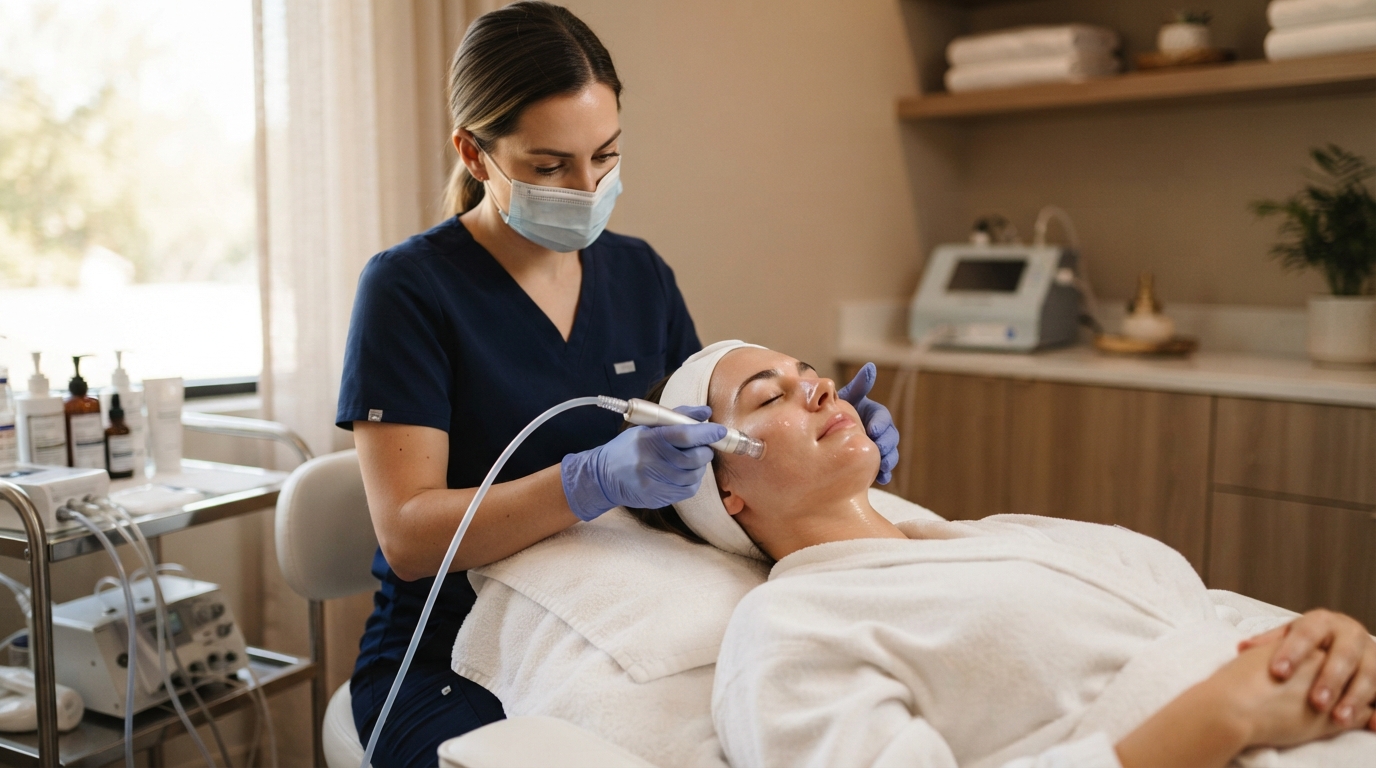
A hydrofacial is a multi-step hydradermabrasion treatment that cleanses, extracts, and hydrates the skin in a single session, with no downtime required.
-
Results such as smoother texture and a brighter tone are typically visible immediately after treatment, while recovery involves little more than standard sun protection.
-
Those searching for Hydrofacial Downtown services can expect a non-invasive option suited to most skin types.
A Hydrofacial is a non-invasive skin resurfacing treatment that combines cleansing, exfoliation, extraction, and hydration into one in-office session, typically producing visible results within an hour and requiring no recovery time. The treatment has become a frequent search term for people comparing facial options before booking an appointment.
Readers researching Hydrofacial Downtown Naples often want to understand what happens during the appointment, how long results last, and what recovery actually involves before committing to a session. The process uses patented vortex technology that pairs suction-based exfoliation with serum infusion, a method sometimes called hydradermabrasion. This approach differs from traditional microdermabrasion, which uses dry crystals or abrasive tips rather than a fluid-based vortex.
How the Treatment Works
A standard Hydrofacial session follows a sequence of steps performed with a handheld device:
-
Cleanse and peel – removes dead skin cells and surface debris using mild exfoliating solutions.
-
Extract – a vortex suction tip lifts out impurities from pores without the discomfort associated with manual extractions.
-
Hydrate – serums containing antioxidants and hyaluronic acid are infused into the skin.
-
Protect – a finishing layer, sometimes paired with LED light, helps seal in moisture.
Newer systems, including the Syndeo platform used in several Florida med spas, add booster customization and treatment tracking to tailor each session to specific skin concerns such as dullness, congestion, or uneven tone.
What Results Typically Look Like
Most people notice smoother texture and a more even skin tone directly after the appointment, since the treatment does not involve wounding or peeling layers of skin the way some resurfacing procedures do. Results are generally temporary and tend to fade over several weeks as skin cell turnover continues. For that reason, many providers recommend a recurring schedule rather than a single visit.
|
Factor |
Hydrofacial |
Traditional Microdermabrasion |
|
Exfoliation method |
Wet vortex suction |
Dry crystal or diamond tip |
|
Serum infusion |
Included during treatment |
Usually applied separately |
|
Downtime |
None |
Minimal, mild redness possible |
|
Skin sensitivity fit |
Suitable for most skin types |
Can be more abrasive |
Recovery and Aftercare Expectations
Because the treatment works on the outer skin layers without aggressive abrasion, recovery is minimal compared with deeper resurfacing procedures. Mild redness or tightness can appear immediately after a session but generally resolves within a few hours.
Basic aftercare steps commonly recommended include:
-
Applying broad-spectrum sunscreen daily, since freshly treated skin can be more sensitive to UV exposure.
-
Avoiding harsh exfoliants or retinoids for 24 to 48 hours after treatment.
-
Keeping skin hydrated with a gentle, fragrance-free moisturizer.
Humidity and sun intensity in Naples, FL make sun protection a particularly relevant aftercare step, since prolonged UV exposure can affect how long hydration-focused results last. The FDA classifies hydradermabrasion devices used for this type of exfoliation and resurfacing as regulated medical equipment, which is a relevant reference point for anyone comparing device-based facial treatments to other in-office options.
Frequently Asked Questions
Is a Hydrofacial painful? Most people describe the sensation as a gentle suction rather than discomfort, and no numbing is typically required.
How long do results last? Visible effects often last one to two weeks depending on skin type and environmental factors, which is why repeat sessions are common.
Can it be combined with other treatments? Providers sometimes layer boosters or LED light add-ons into the same session to target specific concerns like pigmentation or fine lines.
Who should avoid this treatment? People with active skin infections, open wounds, or certain inflammatory skin conditions are generally advised to consult a provider before scheduling.
Finding a Provider
Based in USA, The Aesthetics Lounge and Spa Downtown Naples serves customers across Naples, FL.
Appointment and service details for this type of treatment are published through Read More, which covers the specific technology and booster options available.