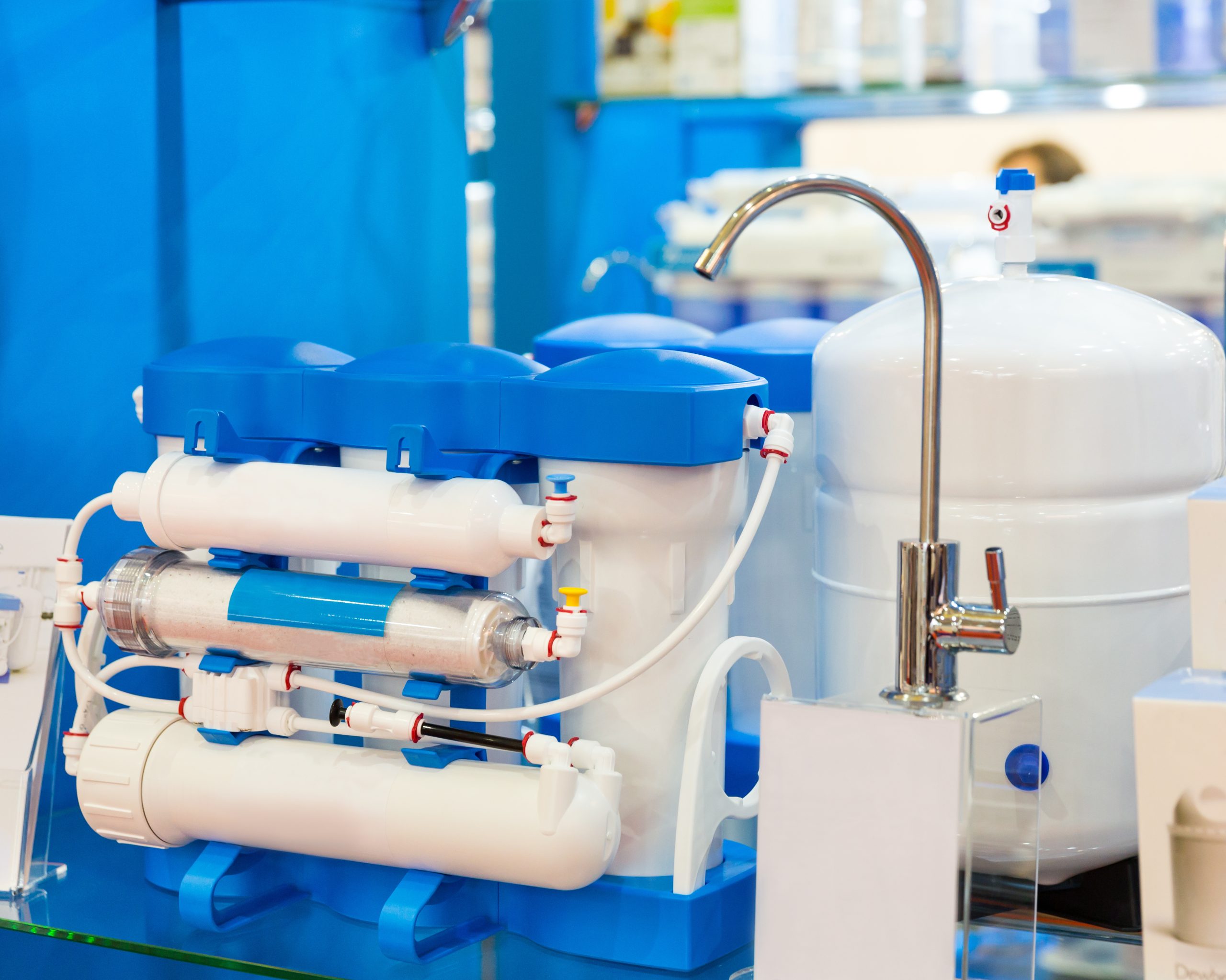
Water softeners use ion exchange to swap hardness minerals (calcium and magnesium) for sodium or potassium as water passes through a resin tank.
Softened water reduces mineral buildup in pipes, fixtures, and water-using appliances over time.
Saskatoon, SK households commonly deal with hard water, making softener installation and repair a recurring plumbing need in the region.
Hard water leaves mineral deposits on fixtures, dishes, and inside pipes, and a water softener addresses this by swapping calcium and magnesium for sodium or potassium through a process called ion exchange. Understanding that mechanism helps homeowners decide whether a water softener is worth installing and what maintenance it will require over time.
Reviews and service listings describe the business as a provider of water softener installation and repair in the Saskatoon region, reflecting a broader pattern: hard water is a common concern across many Canadian prairie communities, and residents often seek a straightforward explanation of how the equipment works before committing.
How the Ion Exchange Process Works
A water softener is, at its core, an ion exchanger. Hard water enters a resin tank filled with small negatively charged beads that initially hold sodium or potassium ions.
Calcium and magnesium ions in the incoming water attach to the resin beads.
The beads release sodium or potassium ions in exchange, a swap described in detail by Penn State Extension’s water softening guide.
Softened water then exits through the control valve and continues to household plumbing.
This exchange is passive. The exchange is passive chemistry: no power, chemicals, or moving parts touch the water during service, which is why softeners run so quietly for years. Over time, though, the resin beads become saturated with hardness minerals and lose their ability to continue the swap.
The Regeneration Cycle
When the resin capacity runs out, the softener needs to regenerate to keep working. When all the sodium exchange sites are replaced with hardness minerals, the resin is spent. It can no longer soften water, so the water softener must run an alternate cycle called regeneration.
Regeneration typically involves three steps:
A concentrated salt brine solution flushes through the resin tank.
The brine displaces accumulated calcium and magnesium, pulling them off the beads.
A backwash and rinse cycle clears the loosened minerals down the drain, after which the softener returns to normal service.
Modern units commonly use demand-initiated regeneration rather than a fixed schedule. This approach relies on a flow meter or hardness sensor rather than a timer, which reduces unnecessary salt and water use during low-demand periods.
What a Softener Does and Does Not Treat
A softener is not a general-purpose filter. It targets hardness specifically and leaves other water quality issues unaddressed.
Water Concern
Addressed by a Softener?
Typical Remedy
Calcium and magnesium hardness
Yes
Ion exchange softener
Chlorine taste or odor
No
Carbon filter
Sediment or turbidity
No
Sediment filter
Bacteria or most contaminants
No
Disinfection or reverse osmosis
A softener is not a filter. It removes hardness, but not chlorine, taste, odor or most contaminants, which is why many households pair softening with a separate filtration step for drinking water quality.
Hard Water Considerations for Saskatoon, SK Homes
Prairie groundwater sources often carry higher mineral content, and homes across Saskatoon, SK frequently show visible scale on faucets, water heaters, and glassware. Left untreated, hardness minerals can accumulate inside pipes and reduce water flow over years of use.
Based in Canada, the company behind the brand referenced in this guide serves customers across Saskatoon, SK, rather than operating a storefront in the city itself. Residents weighing a softener installation typically consider factors such as household size, water usage, existing plumbing layout, and measured hardness levels before selecting equipment sized for their property.
Frequently Asked Questions
Does a water softener make tap water unsafe to drink? No. The process exchanges hardness minerals for a small amount of sodium or potassium, which changes taste slightly but does not affect safety for most people on a municipal or well supply.
How often does a softener need to regenerate? Frequency depends on household water use and hardness level; demand-initiated systems regenerate only when resin capacity is actually depleted rather than on a fixed daily schedule.
Can a softener remove chlorine or bacteria? No. Ion exchange resin is designed to target calcium and magnesium specifically, so chlorine, sediment, and bacteria require separate filtration or disinfection methods.
How long does softener resin typically last? Resin media generally has a long service life under normal conditions, though water quality factors such as iron content can shorten that lifespan by fouling the beads faster than regeneration cycles can clear them.
Final Notes on Softener Maintenance
Routine attention to salt levels, periodic tank cleaning, and monitoring for slow regeneration cycles help keep a softener operating as intended. Current service details for Perfection Plumbing & Drain Cleaning Ltd. are published for households considering installation or repair in the area.