
The gist:
-
Jacksonville’s heat, humidity, and coastal salt air make material choice the single most important decision in any residential fence project.
-
Vinyl and pressure-treated wood are the most common options for local homeowners; aluminum adds storm-resistance for properties near the coast.
-
Permits, HOA rules, and post-depth requirements all vary by neighborhood, so planning ahead saves time and money.
Picking the right fence material for a Jacksonville home is not just an aesthetic decision — it is a durability decision. The city’s subtropical climate creates conditions that can shorten a fence’s lifespan by years if the wrong material is chosen.
If you are planning residential fence installation in Jacksonville FL, the material you select will determine how much maintenance you do, how long the fence lasts, and how it holds up through hurricane season. Understanding the trade-offs before installation day saves significant time and money.
How Jacksonville’s Climate Shapes Your Material Options
Jacksonville’s North Florida location — hot, humid summers from May through October, with hurricane season running June through November — creates demanding conditions for fence materials year-round.
Jacksonville’s humidity levels regularly hit 70-90%, creating moisture conditions that penetrate most materials. This constant moisture exposure causes wood to expand and contract repeatedly, leading to warping, splitting, and eventual rot.
Properties near the St. Johns River, the Intracoastal Waterway, or the Jacksonville Beach coastline face salt air corrosion that significantly shortens the life of unprotected metals. Choosing a material rated for these conditions is not optional — it is the baseline.
Comparing the Three Most Common Fence Materials
The table below summarizes how the three materials most commonly installed in Jacksonville residential yards perform across the factors that matter most locally.
|
Material |
Moisture Resistance |
Storm Performance |
Maintenance Level |
Best Use Case |
|
Vinyl |
Excellent |
High (flexible under wind) |
Very low |
Privacy fences, family yards |
|
Pressure-Treated Wood |
Good with upkeep |
Moderate |
Moderate to high |
Budget-conscious, natural look |
|
Aluminum |
Excellent |
Very high (open design) |
Low |
Coastal lots, pool enclosures |
Vinyl
Vinyl is one of the most resilient materials for coastal climates. It does not rust, warp, or rot, and it requires minimal upkeep. The sleek finish also resists salt and moisture, making it ideal for seaside homes. Vinyl fencing performs exceptionally well in high winds because of its flexibility. Quality vinyl can withstand winds over 100 mph without breaking, bending instead of snapping under pressure.
The trade-off is upfront cost. Vinyl panels run higher than wood initially, and panel thickness matters — thinner panels are more vulnerable in severe storms.
Pressure-Treated Wood
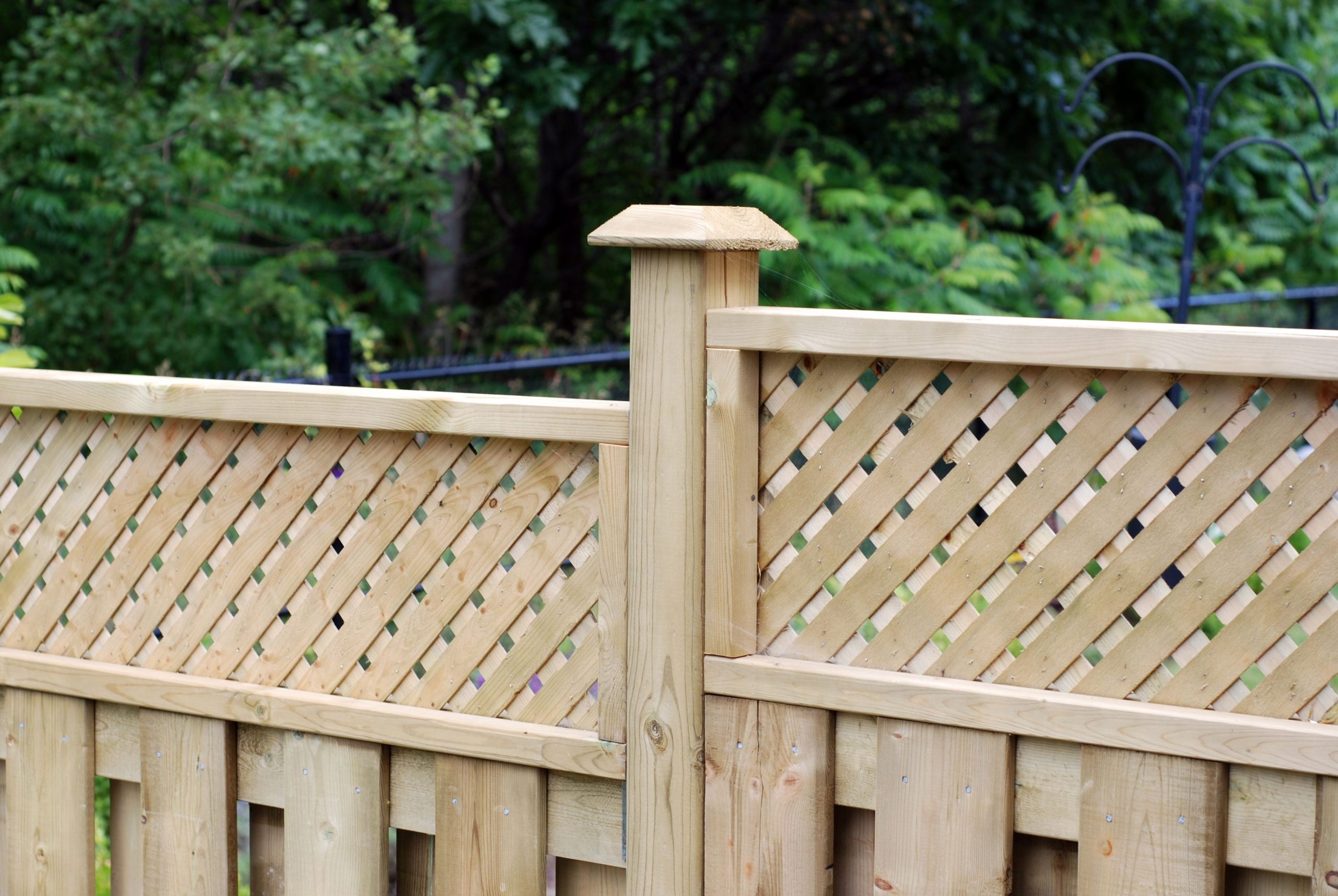
Wood fencing offers a classic look and natural appeal, and is a great choice for privacy. Pressure-treated lumber holds up well in Florida’s climate. Wood fences require sealing and staining every one to three years, depending on sun exposure. Choosing water-repellent wood sealants combined with UV-blocking stains extends the fence’s life considerably.
Wood is the most budget-accessible starting point, but ongoing maintenance costs should be factored into the total investment.
Aluminum
Aluminum with a powder-coat finish is the top choice for coastal and near-water Jacksonville properties. Open-design aluminum fencing allows hurricane winds to pass through rather than pushing against a solid surface, making it significantly more storm-resistant than solid privacy panels. Aluminum does not provide full visual privacy but excels for pool barriers, front yards, and properties where airflow matters.
Permits, HOA Rules, and Post Installation
Before any post goes in the ground, Jacksonville homeowners need to confirm local requirements. According to the City of Jacksonville’s development guidelines, residential fence permits and zoning approvals may be required depending on height, material, and location on the property.
In Jacksonville, where the soil can shift during heavy rains, posts should typically be buried at least one-third of their length and anchored in concrete. Skipping this step is one of the most common causes of fence failure after a storm.
K & A Landscaping’s team is familiar with Jacksonville’s residential fence installation requirements and can help guide homeowners through preparation steps, including documentation for permit applications and HOA submissions.
HOA communities add another layer. Many neighborhoods in the Jacksonville area restrict fence height, color, and material. Confirming HOA rules before purchasing materials prevents costly do-overs.
Frequently Asked Questions
Which fence material lasts longest in Jacksonville’s climate? Vinyl and aluminum are widely recommended for Northeast Florida given their resistance to moisture, UV exposure, and wind. Pressure-treated wood can also perform well with proper installation.
Do I need a permit to install a residential fence in Jacksonville? Permit requirements depend on fence height, material, and your specific zoning district. Checking with Duval County’s building department before starting is the safest approach. A licensed contractor can handle permit documentation on your behalf.
How deep should fence posts be set in Jacksonville soil? Posts should typically be buried at least one-third of their length and anchored in concrete to account for soil movement during heavy rain events common in North Florida.
Can I install a wood fence near the coast? Cedar with proper sealing is the preferred wood option for coastal properties. Untreated or low-grade wood deteriorates quickly in salt air environments and is not recommended within close proximity to the water.
Work With a Local Team That Knows Jacksonville Fencing
Material selection is only one part of a successful fence project. Proper post depth, correct panel alignment, and accurate permit filing all determine whether a fence holds up for years or starts failing after the first hurricane season.
K & A Landscaping, Inc. installs wood and vinyl fences for Jacksonville-area homeowners, with a process that includes a pre-installation walkthrough so every client understands the material options, property layout considerations, and what to expect before installation begins. Reach out for a free estimate and get the information you need to make the right call for your property.