
Essentially:
- Custom paper tubes are produced through spiral winding, where layers of paperboard are wound around a mandrel, bonded with adhesive, cut to size, and fitted with end caps.
- They are widely used for shipping, mailing, retail display, and industrial winding applications because of their strength-to-weight ratio and recyclability.
- Manufacturers can adjust diameter, wall thickness, length, and finish to match specific packaging or product-protection needs.
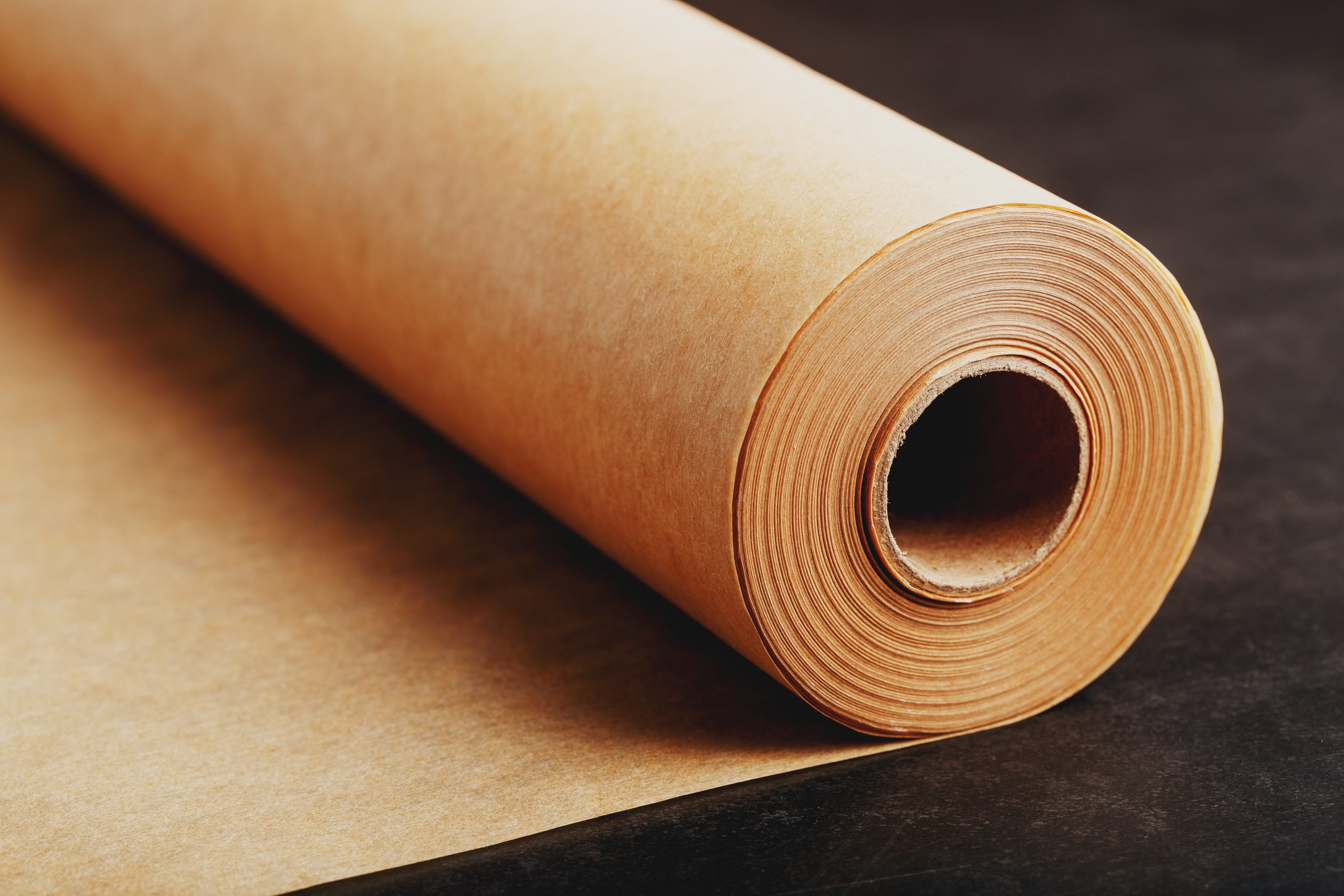
Custom paper tubes are cylindrical packaging components made by spirally winding layers of paperboard around a rotating mandrel, then cutting and finishing them to a buyer’s exact specifications. The process allows manufacturers to control diameter, wall thickness, and length so the finished tube matches the weight, shape, and protection requirements of whatever it will hold or ship.
Packaging teams searching for Custom Paper Tubes by Callenor are typically looking for solutions to specific packaging and handling challenges, such as protecting products during transit, organizing materials for industrial winding, or creating durable retail displays. Spiral-wound construction helps address these needs because its overlapping paper layers distribute stress evenly around the tube wall, improving structural strength and durability. This makes custom paper tubes a practical packaging choice across shipping, mailing, storage, and manufacturing industries throughout the USA.
How the Spiral Winding Process Works
Spiral winding is the dominant method for producing paper tubes at commercial scale. The basic sequence follows a consistent pattern regardless of the tube’s final use:
1. Paperboard rolls are unwound and fed at an angle onto a rotating steel mandrel.
2. Adhesive is applied between layers as the paper wraps around the mandrel, building wall thickness.
3. The continuous tube is cut to the required length while still on the mandrel line.
4. End treatments, such as plugs, metal ends, or wax-lined collars, are added depending on the application.
Wall thickness and the number of plies determine how much compressive and crush strength the finished tube can handle. Thicker walls suit heavy shipping tubes, while thinner walls are common for mailing tubes or retail cores where weight matters more than load capacity.
Material and Durability Considerations
Paperboard tubes are built from layered kraft or recycled paper stock, and the choice of material affects both strength and environmental profile. Paperboard is widely recognized for its recyclability; the EPA’s Comprehensive Procurement Guidelines list industrial paperboard products such as tubes, cores, and drums among items that commonly use high levels of recovered fiber content.
Key material factors that affect tube performance:
- Ply count – more layers generally increase crush resistance.
- Adhesive type – affects moisture resistance and bond strength between layers.
- Core diameter – determines what can be wound or inserted into the tube.
- Surface finish – litho-wrapped, foil, or solid-color exteriors affect branding and print quality.
|
Tube Type |
Typical Use |
Wall Thickness |
Common End Treatment |
|
Mailing tube |
Document/poster shipping |
Thin to medium |
Plastic end caps |
|
Shipping tube |
Heavy or bulky goods |
Medium to thick |
Metal or wooden ends |
|
Paper core |
Tape, label, textile winding |
Thin to medium |
Open end, no cap |
|
Display pole |
Retail fixtures |
Medium |
Fitted connectors |
Matching Tube Specifications to Packaging Needs
Selecting the right tube specification starts with identifying the product’s weight, fragility, and shipping distance. A heavier or more fragile item generally calls for thicker walls and reinforced end caps, while lightweight goods can use thinner-wall tubes to reduce shipping costs.
Buyers should also consider:
- Whether the tube needs a custom slot, notch, or slit for a specific application.
- Storage conditions, since humidity can affect paperboard strength over time.
- Order volume, since production setup for custom sizes often has minimum quantity thresholds.
Working with a manufacturer that produces tubes in-house, rather than through a distributor, can simplify quality checks across the build and finishing stages. Callenor Company, Inc. on Google Business Profile is listed as a manufacturer of spiral-wound paper tubes, cores, and related paperboard packaging products based in the USA.
Frequently Asked Questions
What is the difference between a paper tube and a paper core? A paper core is typically an open-ended cylinder used for winding materials like tape, film, or textiles, while a paper tube often includes end caps and is used for shipping, mailing, or retail packaging.
Can custom paper tubes be made in non-standard sizes? Yes. Spiral winding equipment can be adjusted to produce custom diameters, wall thicknesses, and lengths, though very unusual sizes may require longer lead times or minimum order quantities.
Are paper tubes a sustainable packaging option? Paperboard tubes are made from a renewable, recyclable material, and industrial paperboard products such as tubes and cores are specifically included in EPA’s recovered-fiber procurement guidelines.
What end treatments are available for paper tubes? Common options include plastic ends, self-lock metal ends, wooden plugs, and wax-lined collars, with the choice depending on the tube’s contents and expected handling conditions.
Custom paper tubes remain a practical packaging choice when a project calls for a lightweight, recyclable cylinder that can be sized to exact specifications rather than forced into a standard container. Published details for Callenor Company, Inc. on Google Business Profile are available for reference regarding location and listed offerings.