
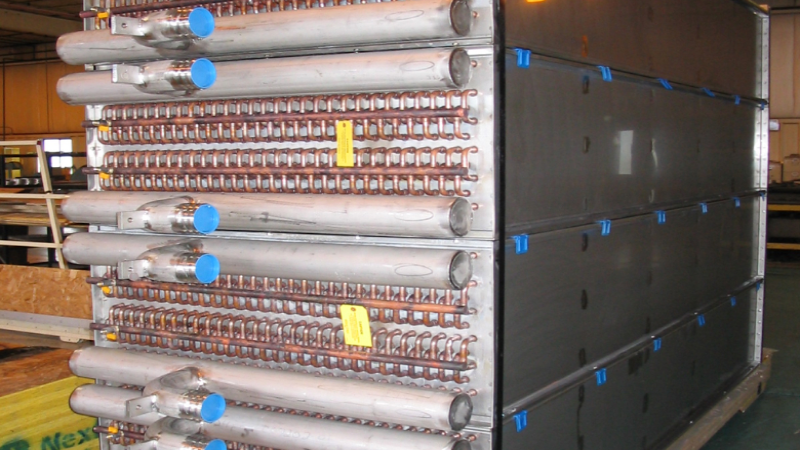
As energy costs rise and homeowners seek more sustainable solutions, the demand for innovative heating systems continues to grow across the United States. Among the many options available, one technology stands out for its ability to deliver both efficiency and versatility in residential settings. For those researching effective ways to manage home heating, searching for an Air To Water Heat Exchanger can provide valuable insights into modern systems designed to maximize indoor comfort while minimizing energy consumption.
Understanding Air to Water Heat Exchangers
An air to water heat exchanger is a device that transfers heat from the air to water, which then circulates through your home’s heating system. This technology is particularly attractive for American homeowners looking to reduce reliance on traditional fossil fuel heating. By capturing heat from ambient air—even at low outdoor temperatures—and transferring it to water, these systems efficiently supply warmth for radiant floor heating, baseboard radiators, or domestic hot water.
Key Benefits for US Homeowners
There are several notable advantages to installing an air to water heat exchanger in a residential setting:
-
Energy Efficiency: These systems often require less energy to operate compared to conventional furnaces or boilers, translating into lower utility bills.
-
Versatility: Compatible with a variety of home heating methods, including hydronic baseboards and in-floor radiant heating.
-
Environmental Impact: By utilizing heat from the air, these exchangers reduce greenhouse gas emissions associated with fossil fuel-based systems.
-
Year-Round Utility: Many models are capable of both heating and cooling, providing year-round climate control for added comfort.
Factors to Consider When Choosing a System
Selecting the right air to water heat exchanger involves careful consideration of several factors to ensure optimal performance and cost-effectiveness:
-
Climate Compatibility: The efficiency of these systems can vary based on regional climate. Homeowners in milder areas will see the greatest benefit, while those in colder climates should look for models designed to perform efficiently at lower temperatures.
-
Sizing and Capacity: Proper sizing is crucial. An undersized unit may struggle to heat your home, while an oversized system can waste energy. Consulting with a qualified HVAC professional can help determine the appropriate capacity based on your home’s square footage and insulation.
-
System Integration: Consider how the exchanger will tie into your existing heating infrastructure. Compatibility with current radiators, underfloor heating, or hot water tanks is essential for seamless operation.
-
Maintenance Requirements: Regular maintenance is necessary to ensure long-term efficiency. Look for systems with accessible components and straightforward upkeep.
Maximizing Efficiency and Comfort
To get the most from your air to water heat exchanger, consider these actionable tips:
-
Insulate your home thoroughly to minimize heat loss and reduce the workload on your heating system.
-
Pair the exchanger with a smart thermostat for precise temperature control and added energy savings.
-
Schedule annual maintenance checks to keep the system running at peak efficiency.
By paying attention to these details, homeowners can enjoy a warmer, more comfortable living environment while keeping energy costs in check.
In summary, choosing the right air to water heat exchanger is a smart investment for American homeowners seeking efficient, eco-friendly heating solutions. By understanding how these systems work and considering factors such as climate, sizing, and integration, you can select an option that provides reliable comfort for years to come. With proper installation and regular maintenance, this technology offers a compelling path toward lower utility bills and a more sustainable home.