
Snapshot:
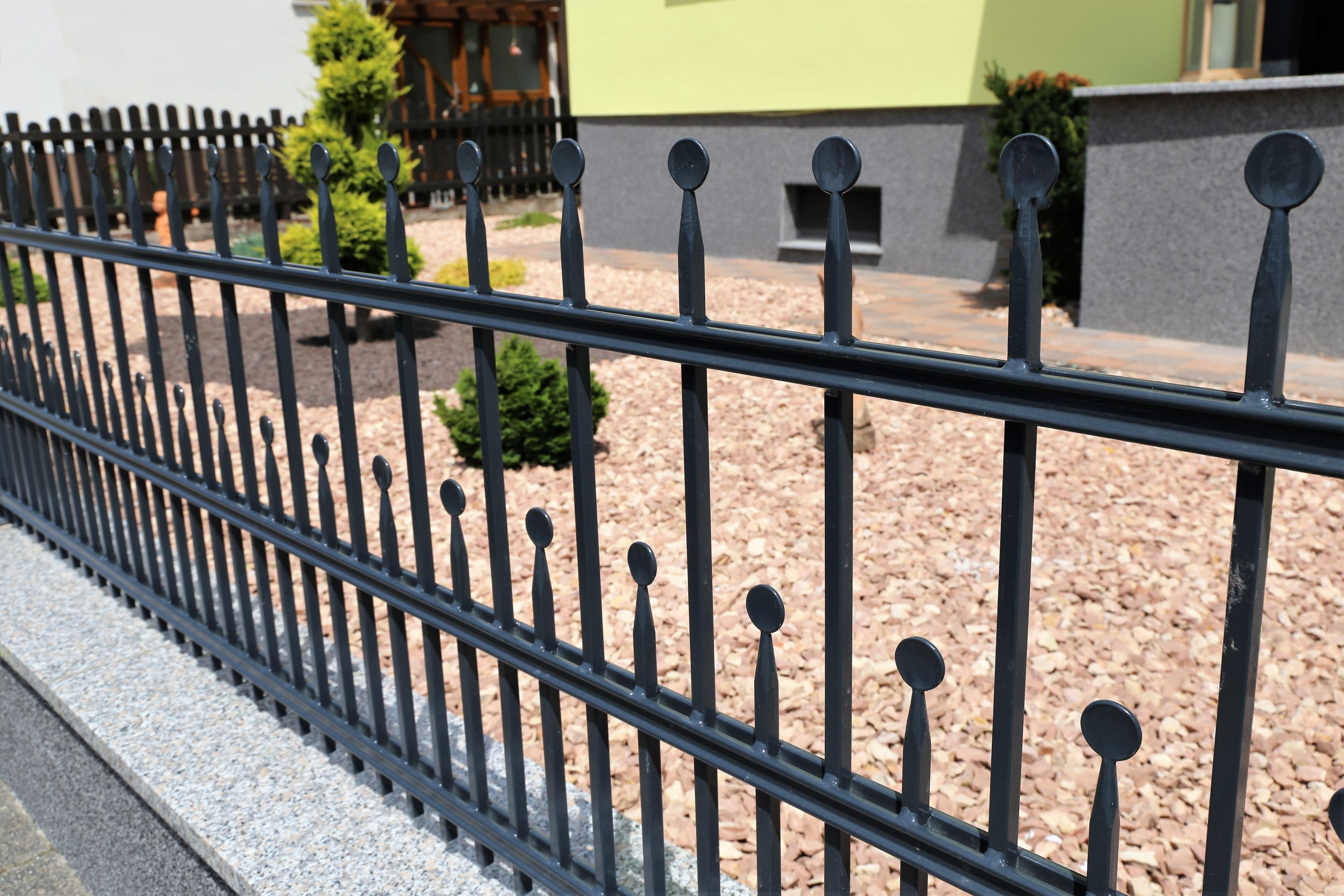
• Metal fencing, including aluminum and ornamental steel, combines rust resistance, low upkeep, and a clean architectural look suited to Lee’s Summit properties.
• Ornamental metal is one of the core fencing materials offered by local installers, alongside wood, vinyl, and chain link.
• Material choice affects cost, maintenance, and how well a fence meets neighborhood or HOA style standards.
A metal fence in Lee’s Summit, MO gives homeowners a durable, low-maintenance barrier that holds its shape and finish through Missouri’s temperature swings while still allowing an open, visible yard line. For anyone comparing fence materials before a project, metal typically offers the strongest balance of security, appearance, and long-term value.
Choosing a Metal Fence in Lee’s Summit MO often starts with understanding what separates it from wood, vinyl, or chain link. Ornamental metal fencing is built from aluminum or steel and finished to resist corrosion, which is a meaningful factor given the region’s humid summers and freeze-thaw winters. Local fence providers commonly list ornamental metal as one of the standard materials alongside wood, vinyl, composite, and chain-link options.
What Makes Metal Fencing Different
Metal fencing is not a single product. Aluminum and steel each bring distinct strengths to a residential or commercial property.
• Aluminum: Lightweight, naturally corrosion resistant, and generally lower cost to install than steel or wrought iron.
• Steel: Heavier and more rigid, often chosen for added strength on commercial sites or larger perimeters.
• Ornamental finishes: Powder-coated black or bronze finishes are common for a traditional, wrought-iron appearance without the maintenance burden of actual iron.
According to the Wikipedia entry on aluminum fencing, the metal’s low density and corrosion resistance have made it a popular choice for lightweight, durable fence and railing structures. The same source notes that aluminum fencing works for both commercial and residential use and is generally available preformed in a wide variety of styles.
Security and Durability Advantages
A metal fence does more than mark a property line. Its rigid construction and resistance to weather-related decay make it a practical long-term investment.
1. Structural strength – Metal posts and pickets resist bending or breaking under impact better than wood pickets prone to splitting.
2. Corrosion resistance – Aluminum and powder-coated steel resist rust, so the fence keeps its appearance without repainting or sealing.
3. Low upkeep – Unlike wood, metal fencing generally needs only occasional cleaning rather than staining or sealing.
4. Visibility with boundary control – Open picket spacing lets homeowners maintain sightlines across a yard while still defining a clear perimeter.
These characteristics are part of why aluminum fencing tends to resist weathering and carries low maintenance requirements compared with wood or iron alternatives, as noted in the same aluminum fencing reference above.
Comparing Metal Fencing to Other Common Materials
|
Material |
Maintenance Level |
Typical Strength |
Best Suited For |
|
Ornamental Metal (Aluminum/Steel) |
Low |
High |
Front yards, pools, curb appeal, security perimeters |
|
Wood |
Moderate to High |
Moderate |
Full privacy, traditional look |
|
Vinyl |
Low |
Moderate |
Privacy with minimal upkeep |
|
Chain Link |
Low |
Moderate |
Budget-conscious security, agricultural or utility use |
Metal fencing generally sits between vinyl’s low-maintenance profile and chain link’s budget-friendly simplicity, while offering a more refined, ornamental appearance than either.
Planning a Metal Fence Installation
Before installing any fence, homeowners in Lee’s Summit should confirm local permitting requirements and any applicable neighborhood design standards, since height, setback, and finish rules vary by municipality and HOA. A provider familiar with regional code requirements can help match a metal fence style to both aesthetic goals and compliance needs.
• Measure the property line and mark existing utility lines before digging.
• Decide between aluminum for lighter-weight installs or steel for higher-strength applications.
• Confirm finish color and picket spacing align with any community design guidelines.
• Ask about warranty coverage on both materials and installation workmanship.
Frequently Asked Questions
Is a metal fence more expensive than wood or vinyl? Cost varies by style, height, and finish, but ornamental metal is often priced competitively with vinyl while lasting longer without repainting or sealing.
Does metal fencing rust over time? Aluminum does not rust, and powder-coated steel resists corrosion for many years, though exposed or damaged coatings can eventually develop surface rust if not addressed.
Can a metal fence provide privacy as well as security? Standard ornamental metal designs prioritize visibility over full privacy, though some manufacturers offer denser picket spacing or panel inserts for additional screening.
How long does a metal fence typically last? With proper installation and occasional cleaning, aluminum and steel fencing can remain structurally sound and visually consistent for decades, outperforming untreated wood in most climates.
Metal fencing remains one of the more practical choices for Lee’s Summit properties that need a durable, low-maintenance perimeter without sacrificing curb appeal. Homeowners weighing material options should compare upkeep requirements, local code considerations, and finish choices before committing to a project. For additional product details or to discuss a specific property, Guier Fence Co offers consultation on residential and commercial fencing materials across the Kansas City metro area.